Verpal
,
Saas
Where This One Came From
Some projects come from a client brief. This one came from frustration.
Anyone who's worked in hospitality — or honestly, just eaten at a restaurant, stayed at a hotel, or used any kind of service business — knows how broken the feedback loop is. You either get a generic survey three days later that nobody reads, or the business never hears anything at all. And the people actually delivering the service? They rarely get useful, real-time input that could help them get better.
I kept thinking: what if there was a tool that made giving feedback feel less like a chore and more like a conversation? Something that let people respond in the moment — text, audio, video — and actually empowered service businesses to improve? That's Verpal. A feedback platform built for the service industry, starting with hospitality. And because I believed in the concept, I decided to build the brand myself.
Passion projects are a different kind of work. There's no client on the other end pushing back, no approval rounds, no budget conversation. It's just you and the idea — which is both freeing and terrifying. You have to be honest with yourself about every decision you make.
Services
Brand identity
Year
2020


The Logo
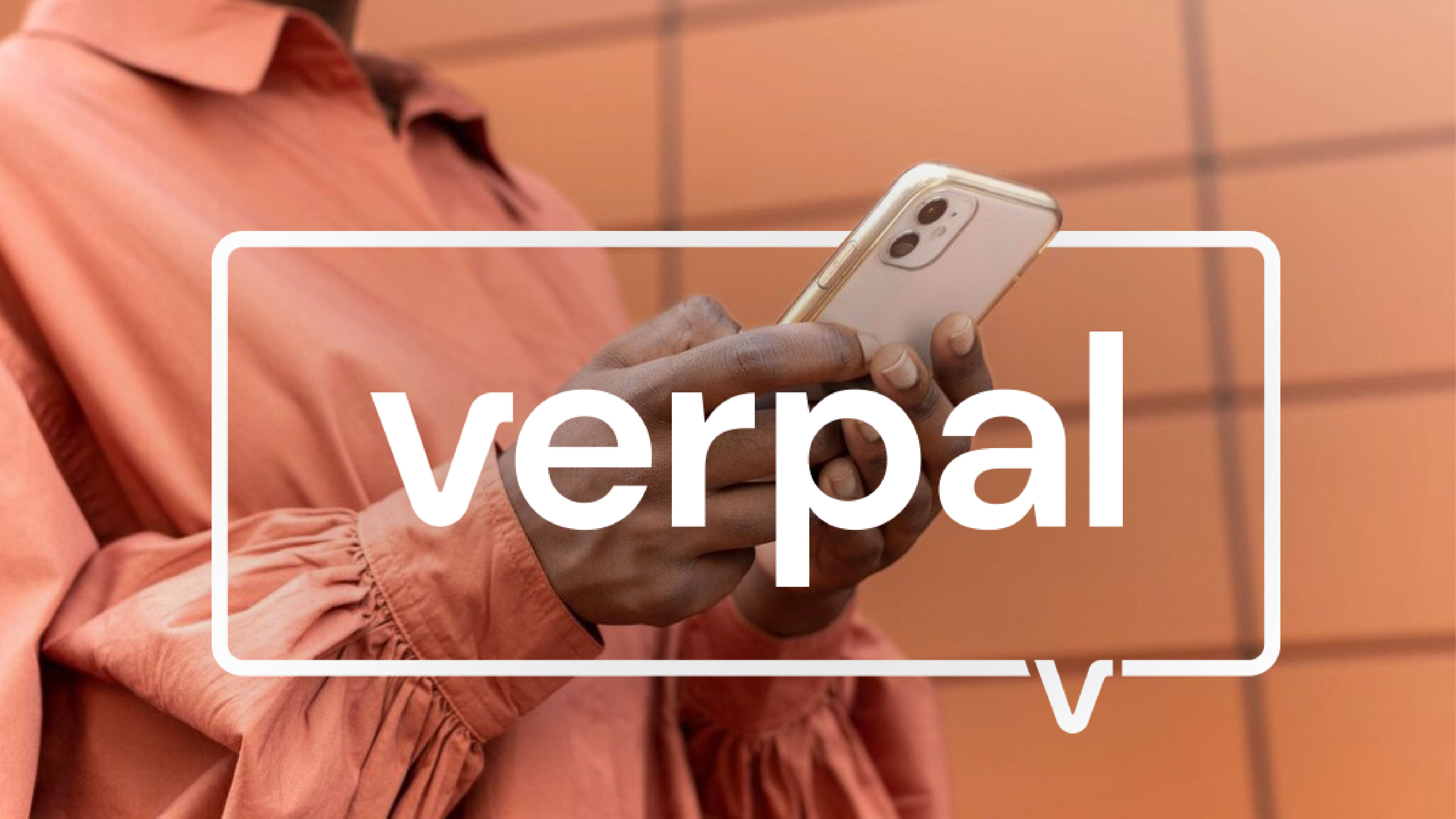
The name "Verpal" was already set — and I liked what it suggested. It's got velocity to it. It moves. So the mark had to move too, at least in spirit.
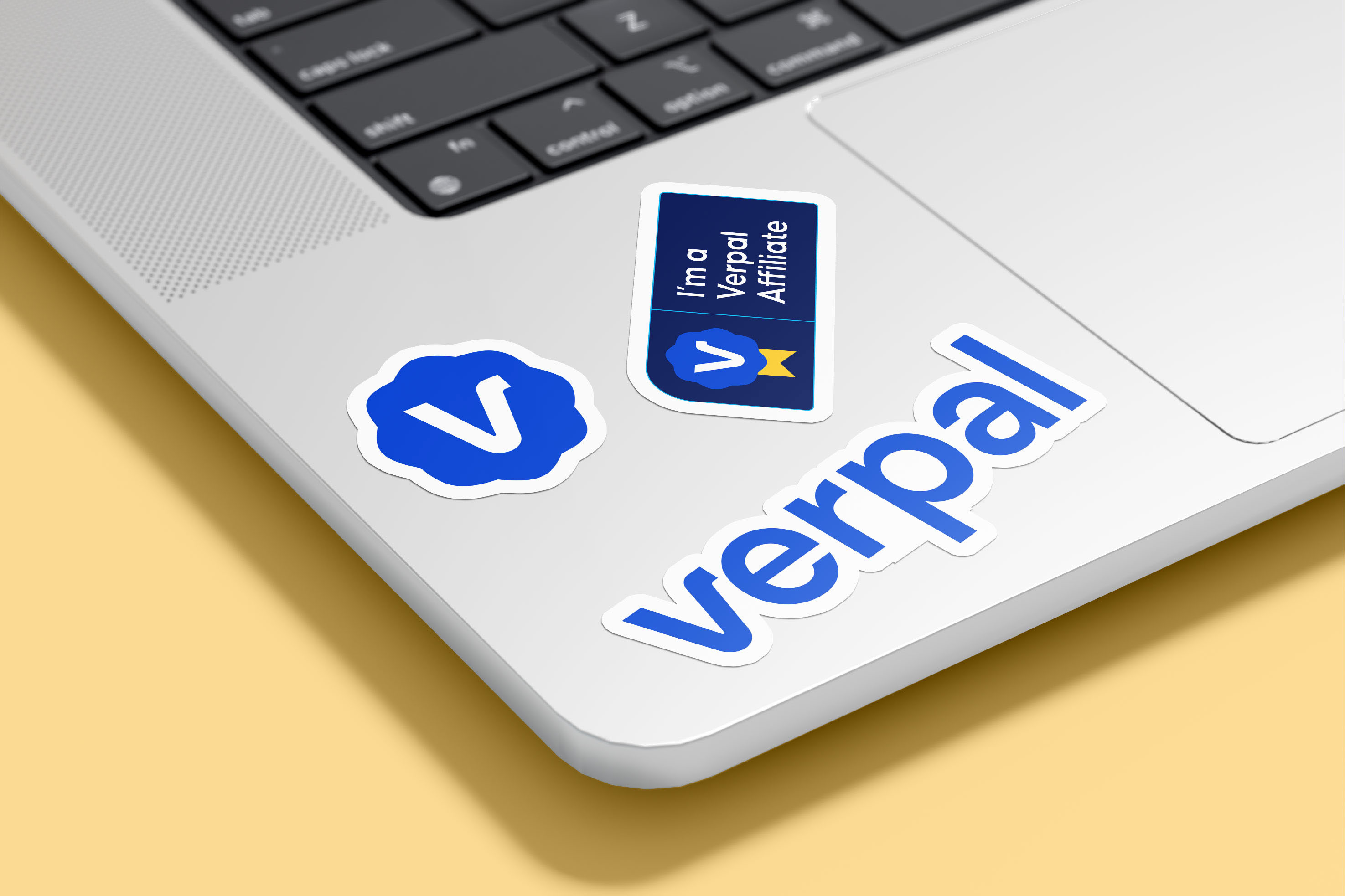
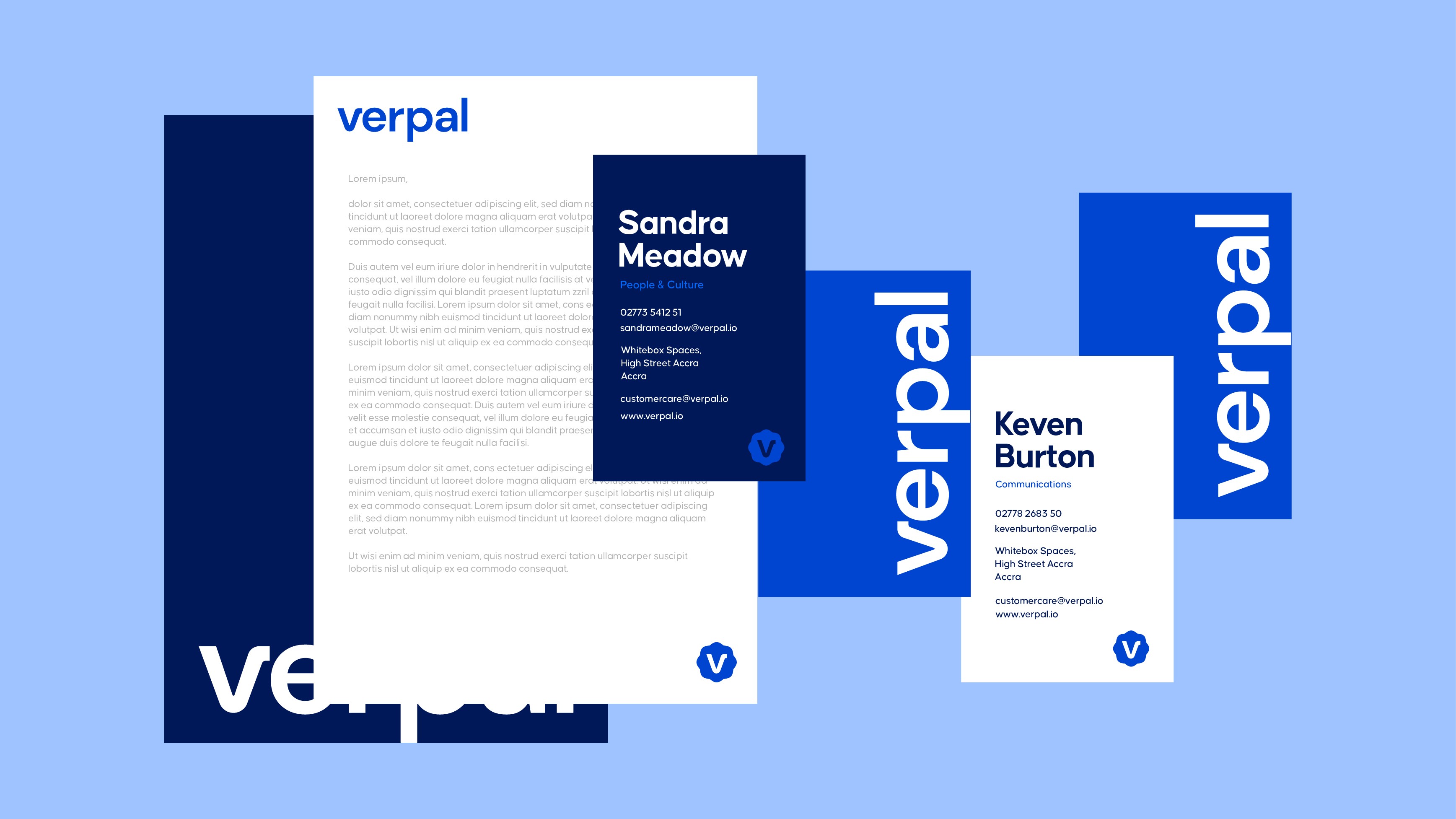
The wordmark is clean and forward-leaning — no decorative flourishes, no complexity. What I wanted was a logo that felt like it belonged on a product you'd actually use every day. Not a startup that's trying to look like a startup, but a platform that's already earned its place. There's confidence in its simplicity.
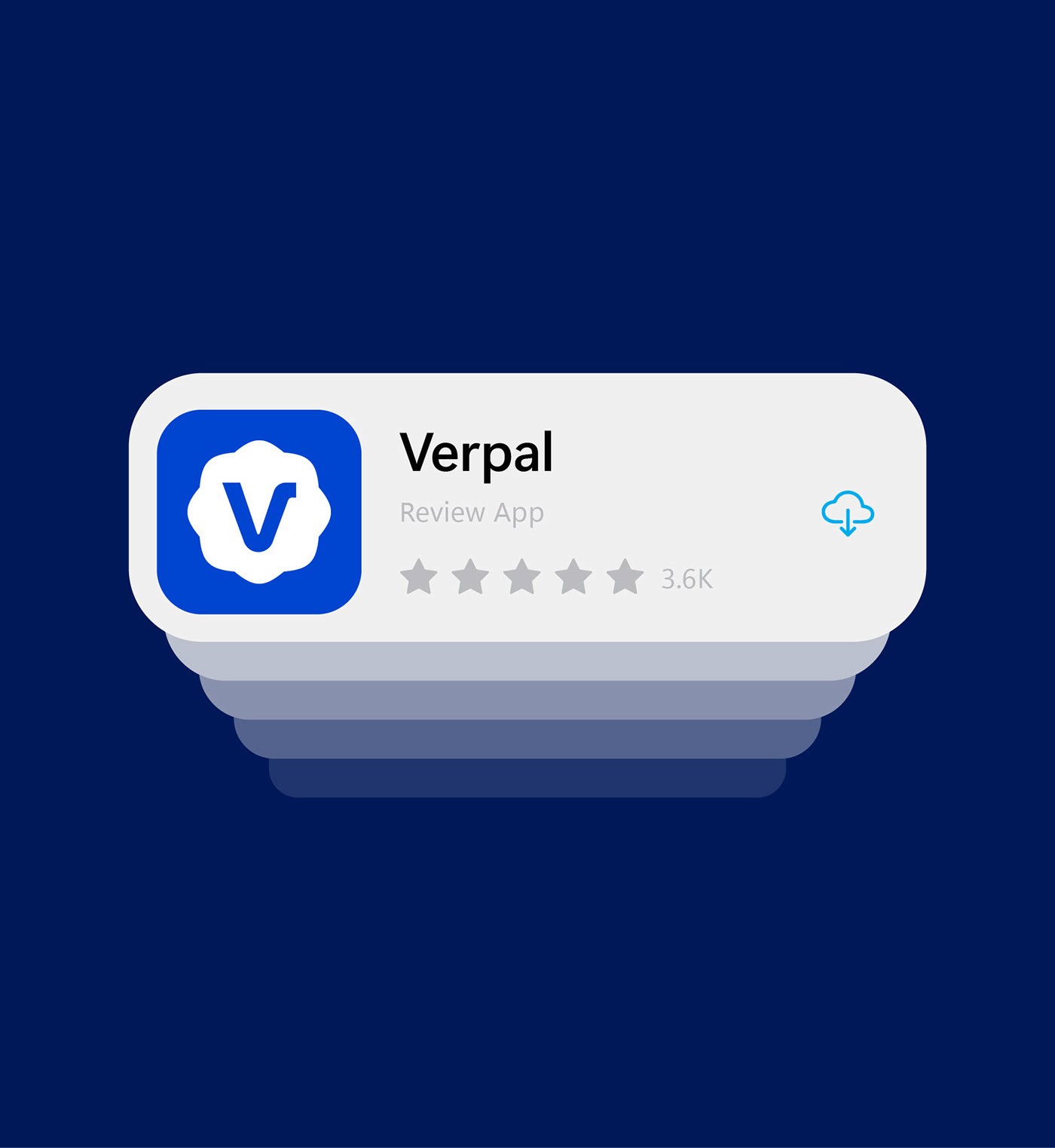
And then we took it a step further — because Verpal lives on screen, not on paper. I built a logo animation for the brand using After Effects. The mark comes in with intention: precise, snappy, alive. When a brand lives in a digital-first world, the static logo is almost secondary. How it moves is how most people will experience it. That motion had to feel as considered as the mark itself.

Color — The Verpal Ink
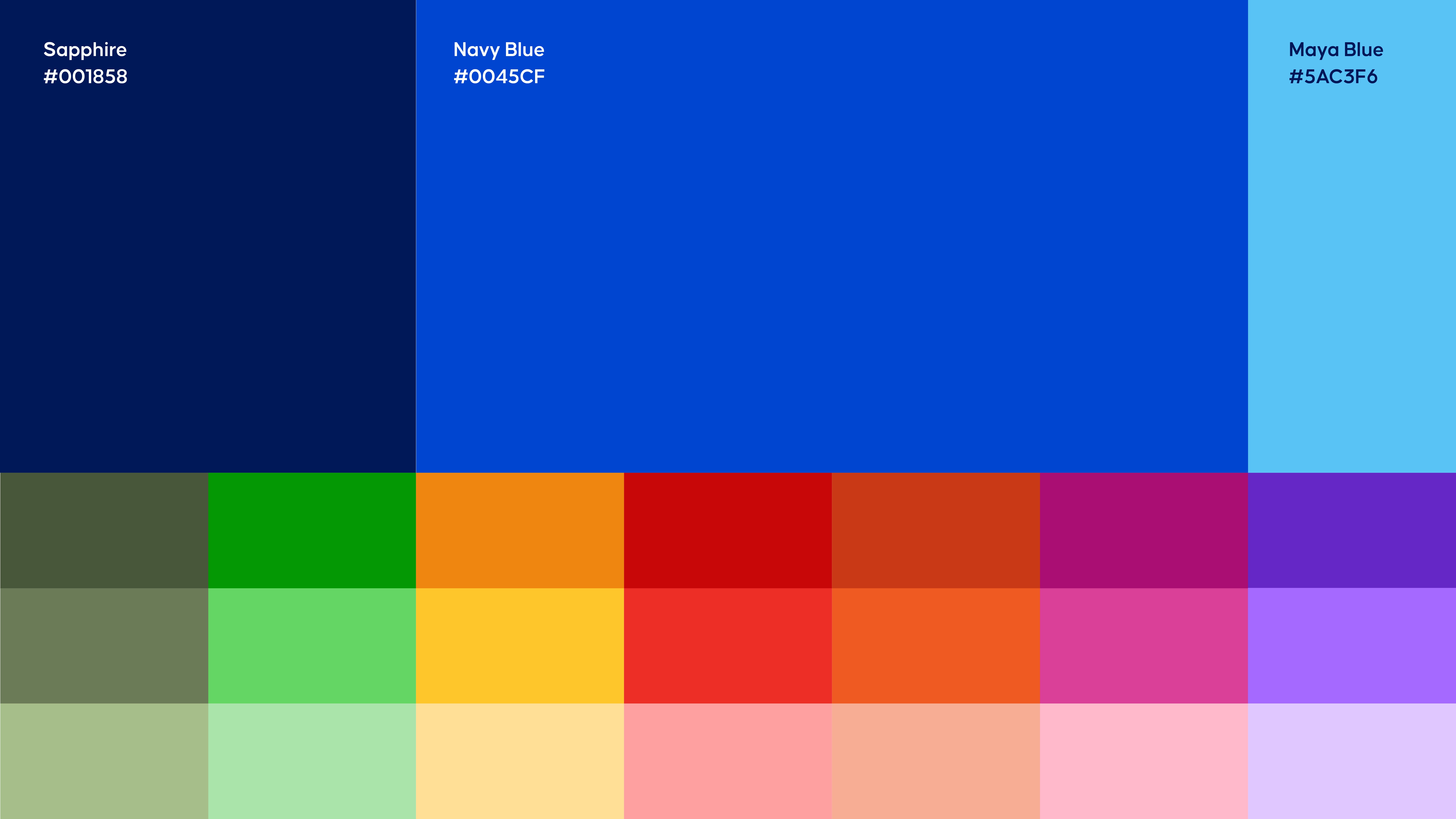
This was probably the decision people would have pushed back on most if there had been a client in the room. The palette is wide. Deep navy, electric blue, sky blue — those anchor the brand, give it that stability and clarity you need from a platform handling real business data. But then there's a whole secondary range: warm reds, oranges, yellows, cooler greens and purples.
A lot of brand designers would have pulled that back. "Keep it tight. Two or three colors max." And usually I'd agree. But Verpal is a feedback tool — it's built to capture the full spectrum of human experience. The palette needed to reflect that range without becoming chaotic.
The way I kept it controlled was through usage hierarchy. The navy and electric blue do the heavy lifting. Everything else is accent — used to differentiate categories, signal emotion, add energy in the right moments. It's a system, not a free-for-all. The palette earns its complexity because it's governed.

Typography — Causten Sans
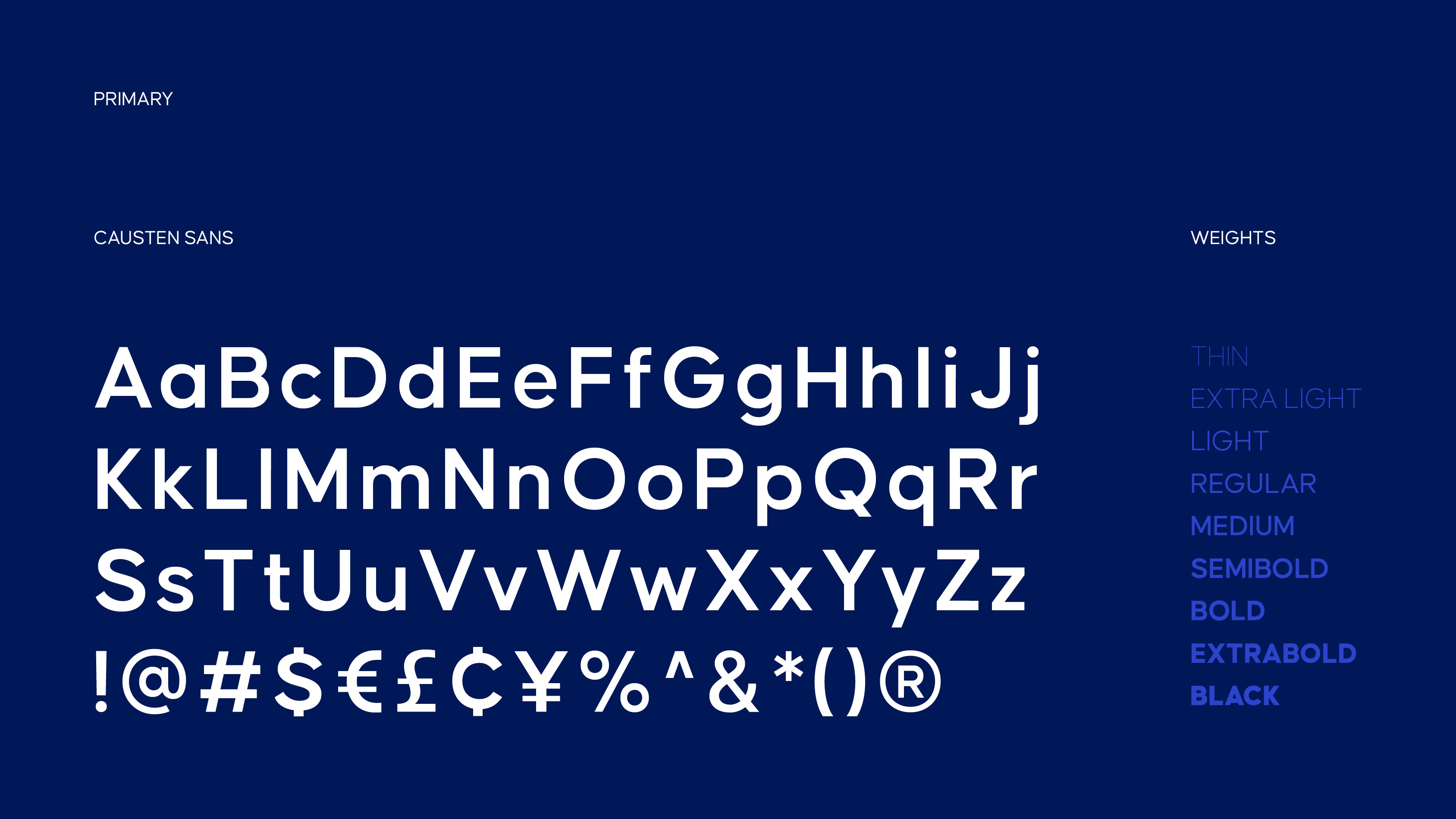
One typeface. Causten Sans. That was the call and I'd make it again every time.
Causten is a geometric sans-serif that walks a very specific line — it's clean enough to feel minimal, but it has enough character in its letterforms to feel warm. It doesn't feel corporate. It doesn't feel casual. It sits right in that middle space that Verpal needed to occupy: professional without being cold, friendly without being playful.
It also performs beautifully at both small and large scales, which matters when your product lives across app interfaces, marketing materials, and signage in hospitality settings.
Iconography — Built From the Same DNA
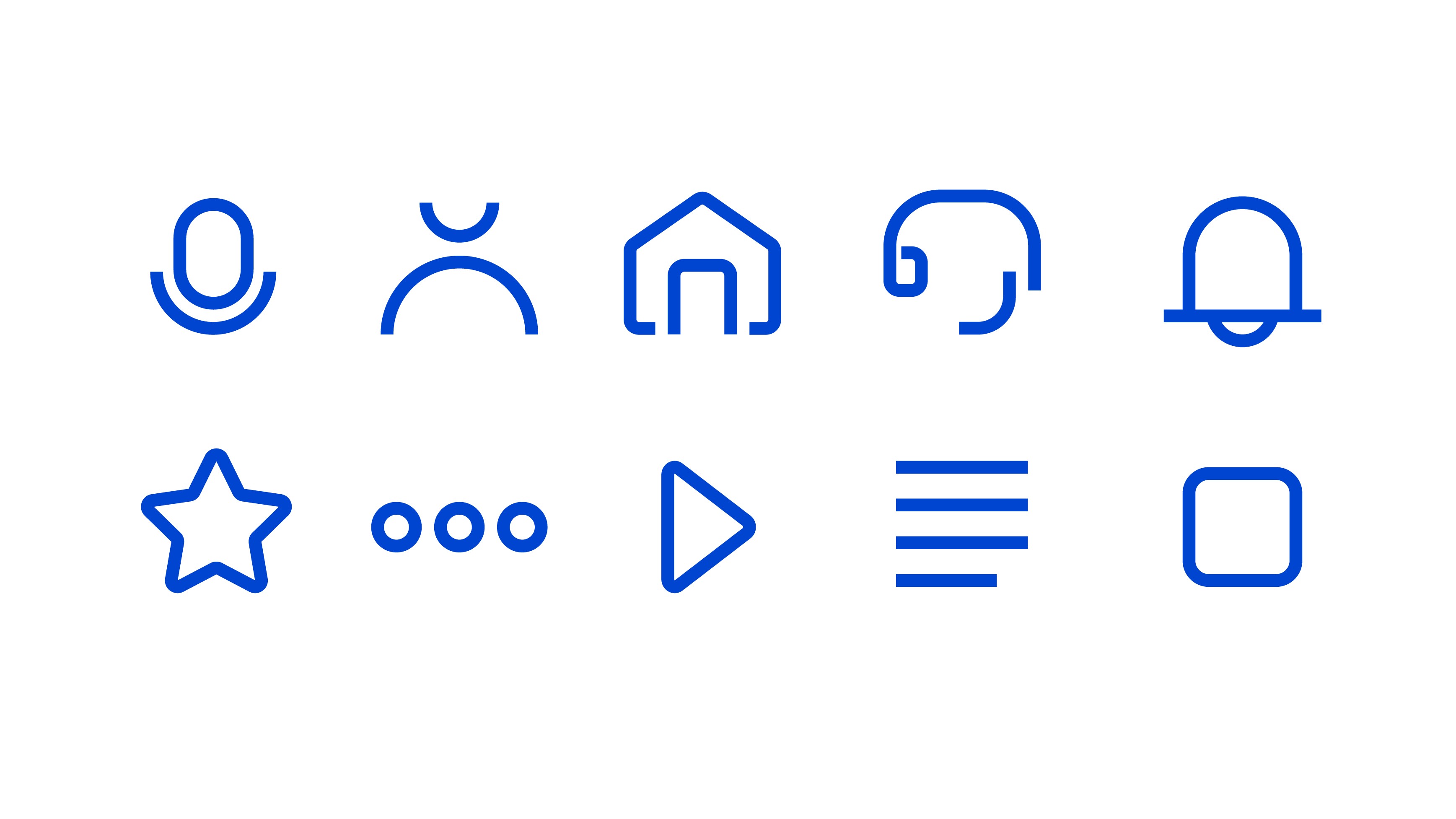
The icons are one of the parts of this project I'm most proud of, and they're also the part most people won't consciously notice — which means they're working exactly right.
Every icon follows a 32×32px grid with clean strokes that terminate in straight edges. No rounded ends, no inconsistent weights. The reason that matters is that those straight terminations echo the structure of Causten Sans — the way the typeface ends its strokes. When your icons and your type share that same DNA, the whole system feels like it belongs together. It reads as intentional even if most people couldn't tell you why.
That level of consistency is the difference between a brand that feels designed and one that just feels assembled.


What the Brand Needed to Feel Like
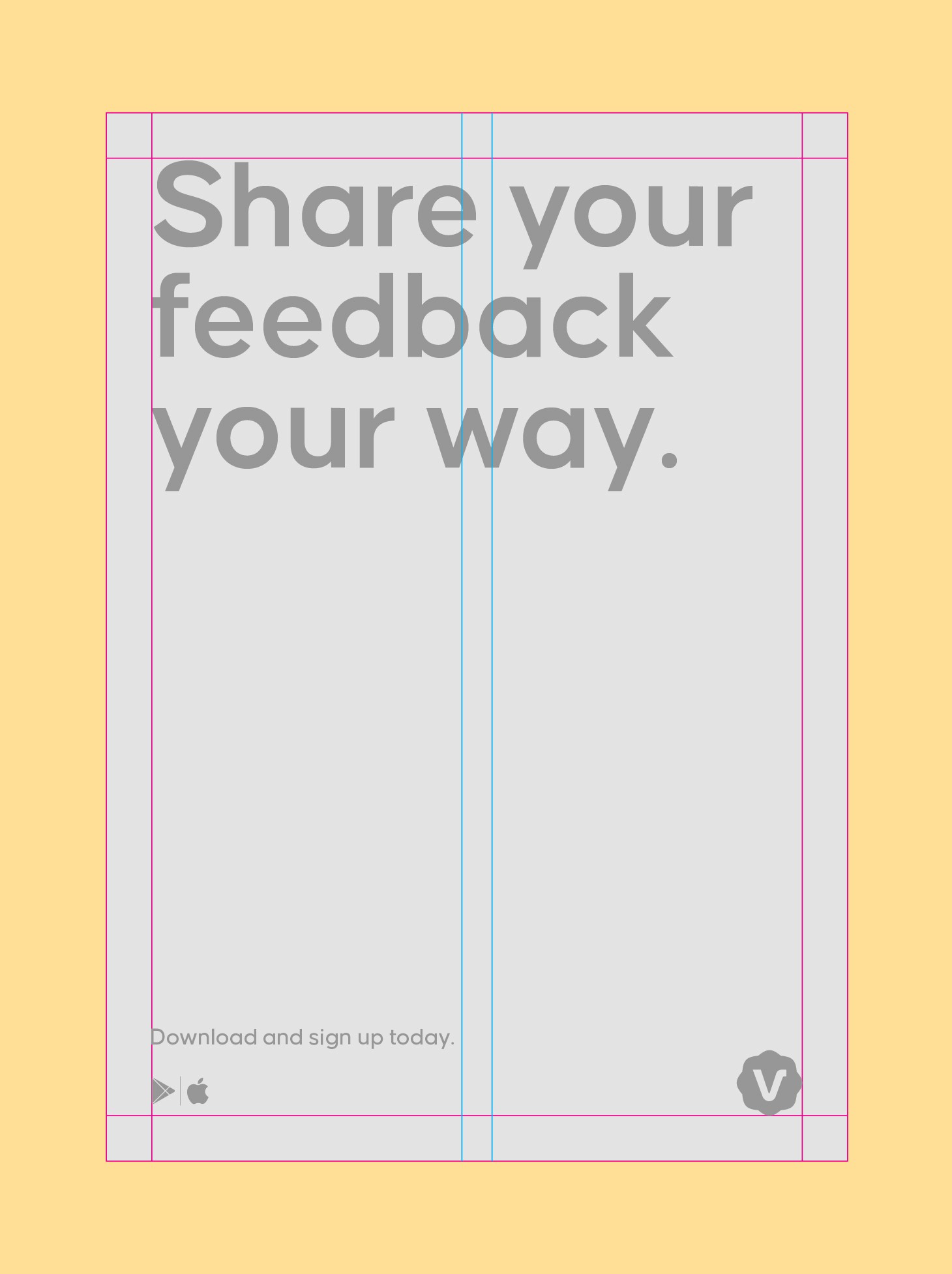
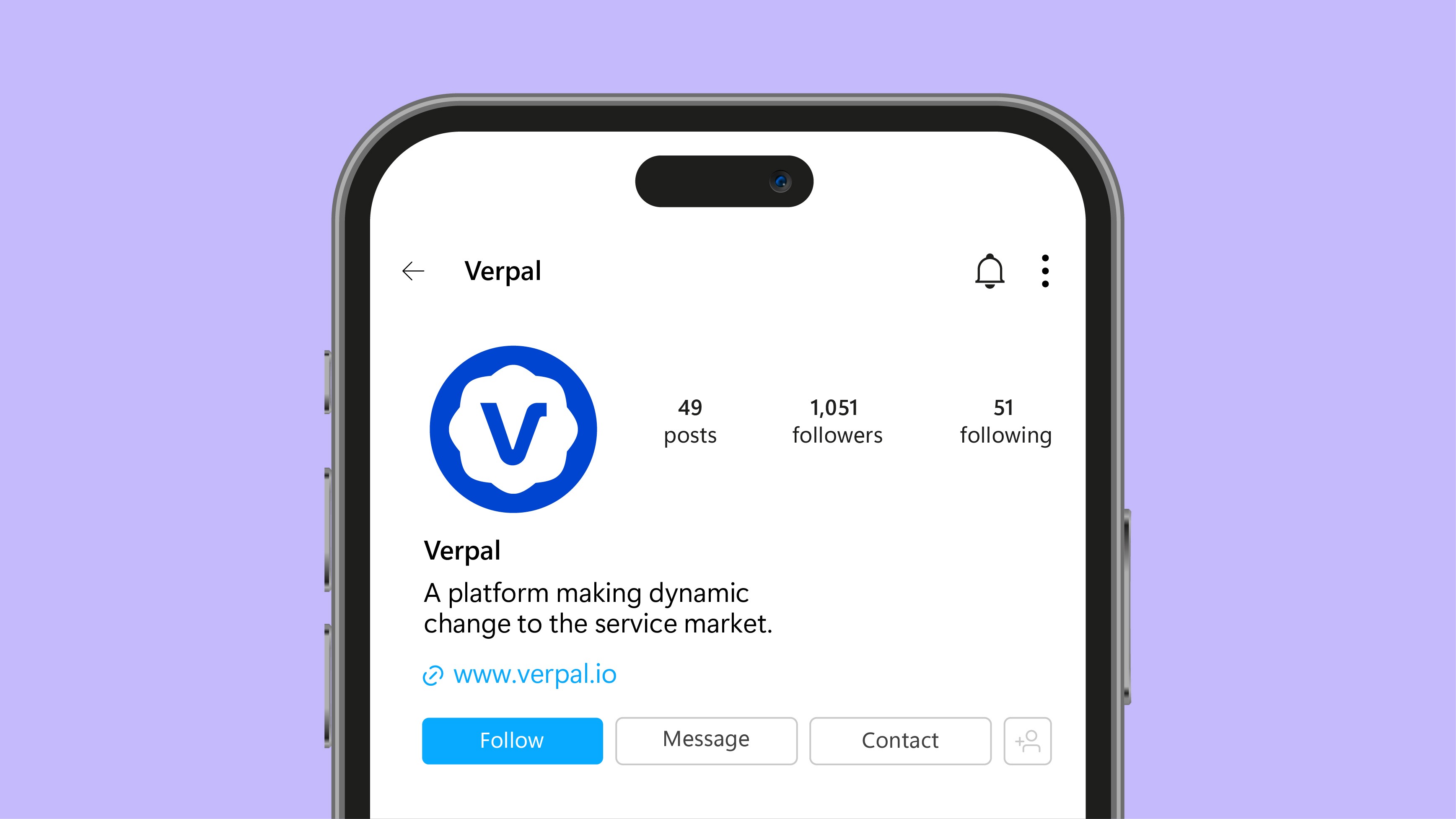
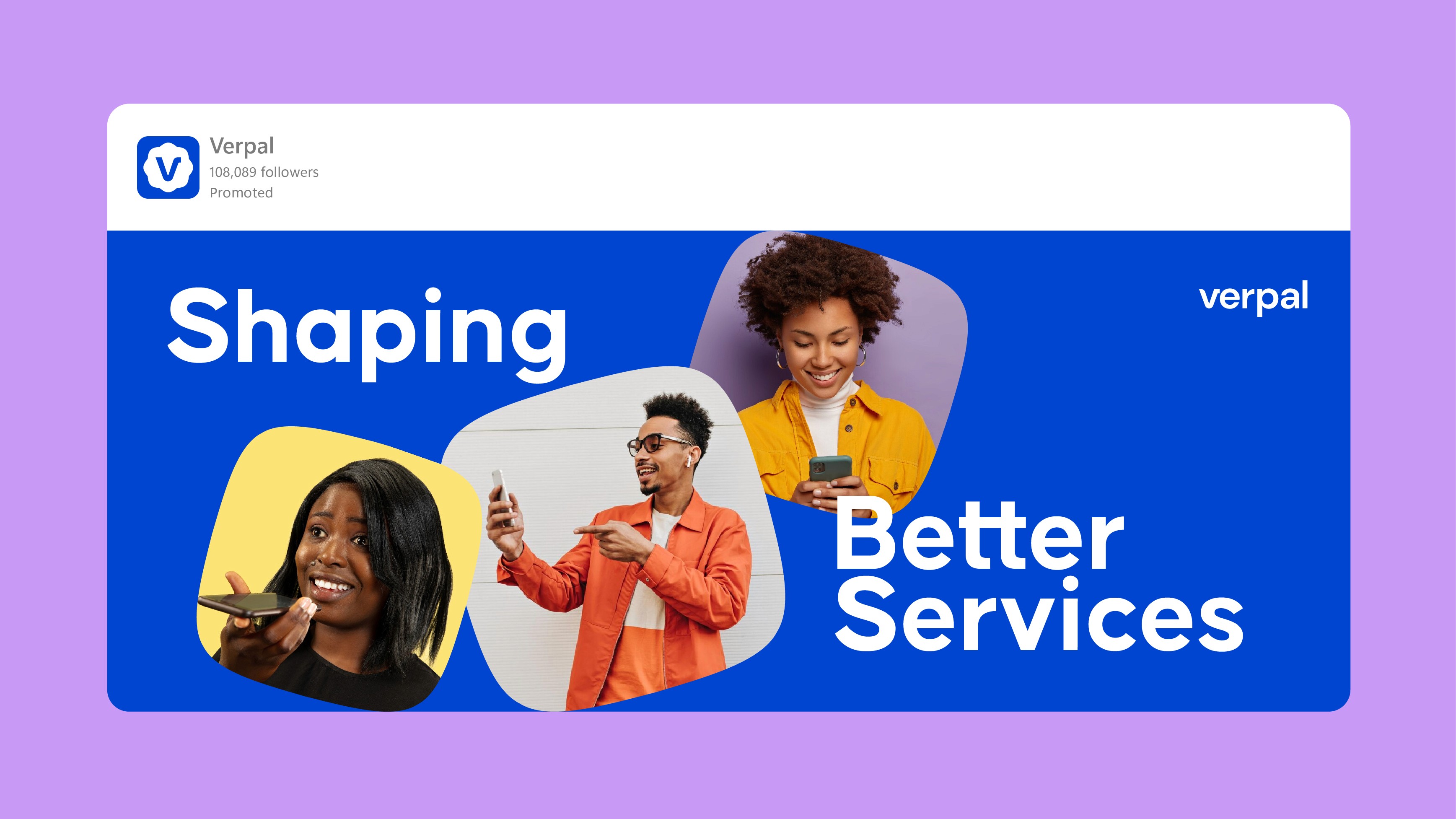
The product is designed for two audiences who think very differently. On one side, you have the guest or customer — someone giving feedback in a moment, probably on their phone, probably right after an experience. That person needs the brand to feel approachable, easy, even a little fun. On the other side, you have the business owner or manager — someone making operational decisions, tracking patterns, taking things seriously. That person needs the brand to feel credible, modern, and trustworthy.
Most brands pick one of those audiences and design for them. Verpal had to hold both at the same time. Simple enough to feel inviting, bold enough to feel professional. That tension defined every single decision I made.
What This Project Taught Me
When you're designing for yourself — for something you actually believe should exist in the world — the standard goes up. There's no one to compromise with, which means every decision you make is fully yours to own.
Verpal is still a concept. But it's a concept I think the service industry genuinely needs, and building this identity was my way of taking it seriously enough to make it real. If the right operator or investor saw this and wanted to build it out — the brand is ready. It can walk into any room.
That's what a good identity does. It's not decoration. It's conviction made visible.