Gymmy
,
Health
The Idea
I've seen a lot of fitness apps. Almost all of them feel the same: aggressive, performative, built around the idea that fitness is supposed to be hard and miserable. Dark backgrounds, jagged typography, a lot of fire emojis.
But what if the problem with fitness apps isn't motivation? What if it's that they don't actually know you?
That was the thought that started Gymmy. Not another tracker. Not another generic workout plan. An AI fitness companion that actually listens. You tell it how you're feeling today, what your energy levels are like, what kind of session you're in the mood for, and it responds in kind. It adapts to your moods and your needs in real time. It watches your form through video analysis and gives you feedback. It logs your progress without you having to think about it.
The tagline I landed on says it plainly: Your personal fitness buddy. Not your coach. Not your trainer. Your buddy. That word choice matters, and it shaped every single design decision.
Services
Visual design
Year
2024
The Wordmark
The full wordmark, "Gymmy," is set in a bold, rounded custom treatment that echoes the warmth of the icon. It sits confidently alongside the mark without competing with it. What I wanted was a name that smiled at you a little without being cartoonish. The roundedness in the letterforms does exactly that.
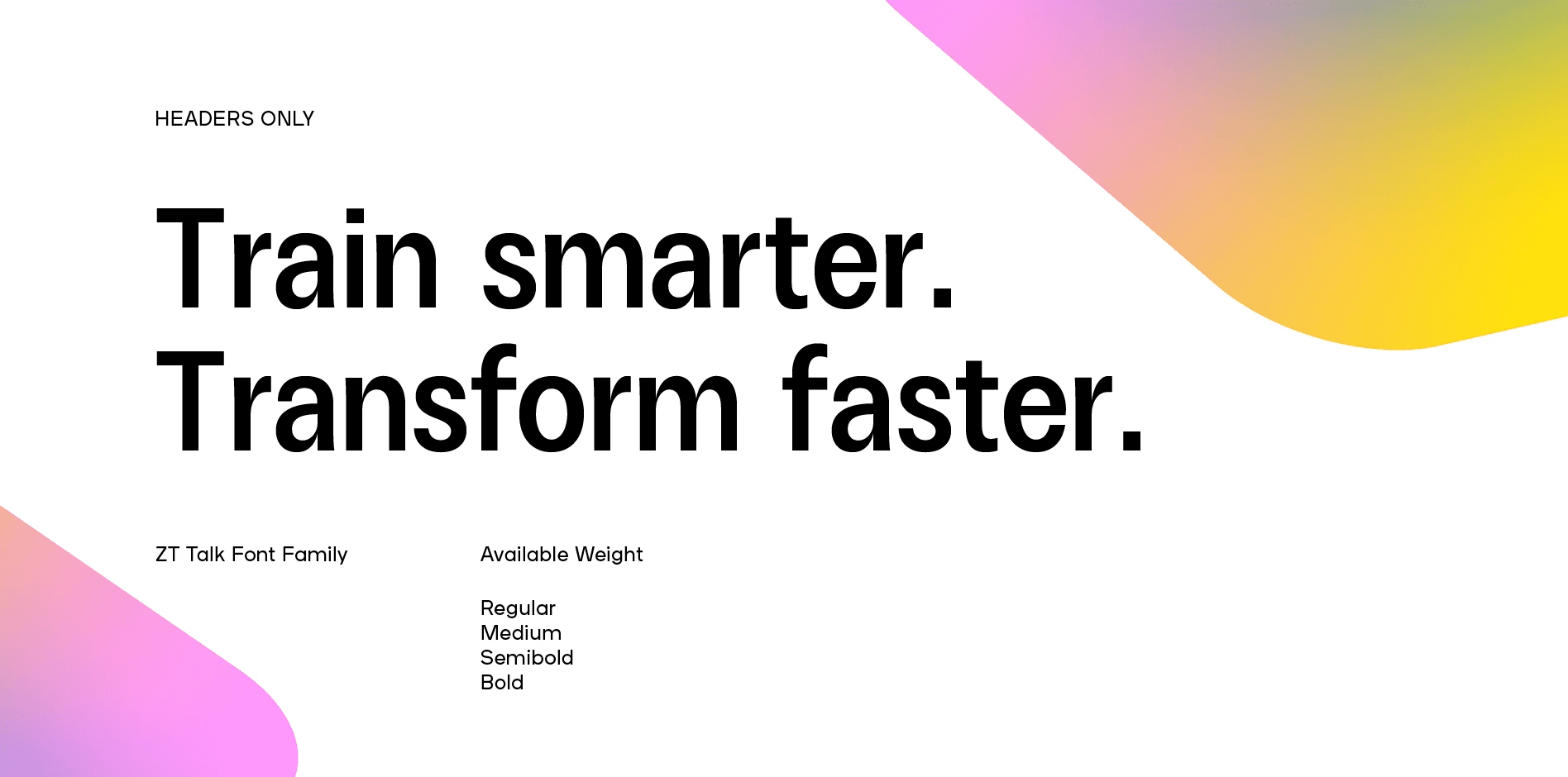
For headlines, I chose ZT Talk, a display typeface with character and friendliness baked into every letterform. It handles big expressive copy with ease, which matters for a brand where phrases like "Train smarter. Transform faster" need to land with real weight at large scale.
For body copy, Plaax 6 Sans carries the more functional communication. It's clean, highly legible, and works across every screen format from app UI to marketing materials. The two typefaces create a clear hierarchy: ZT Talk sets the mood, Plaax 6 does the work.
The Logo — Everything Lives in the Icon
Let me walk through this properly because the concept is genuinely one of my favourites.
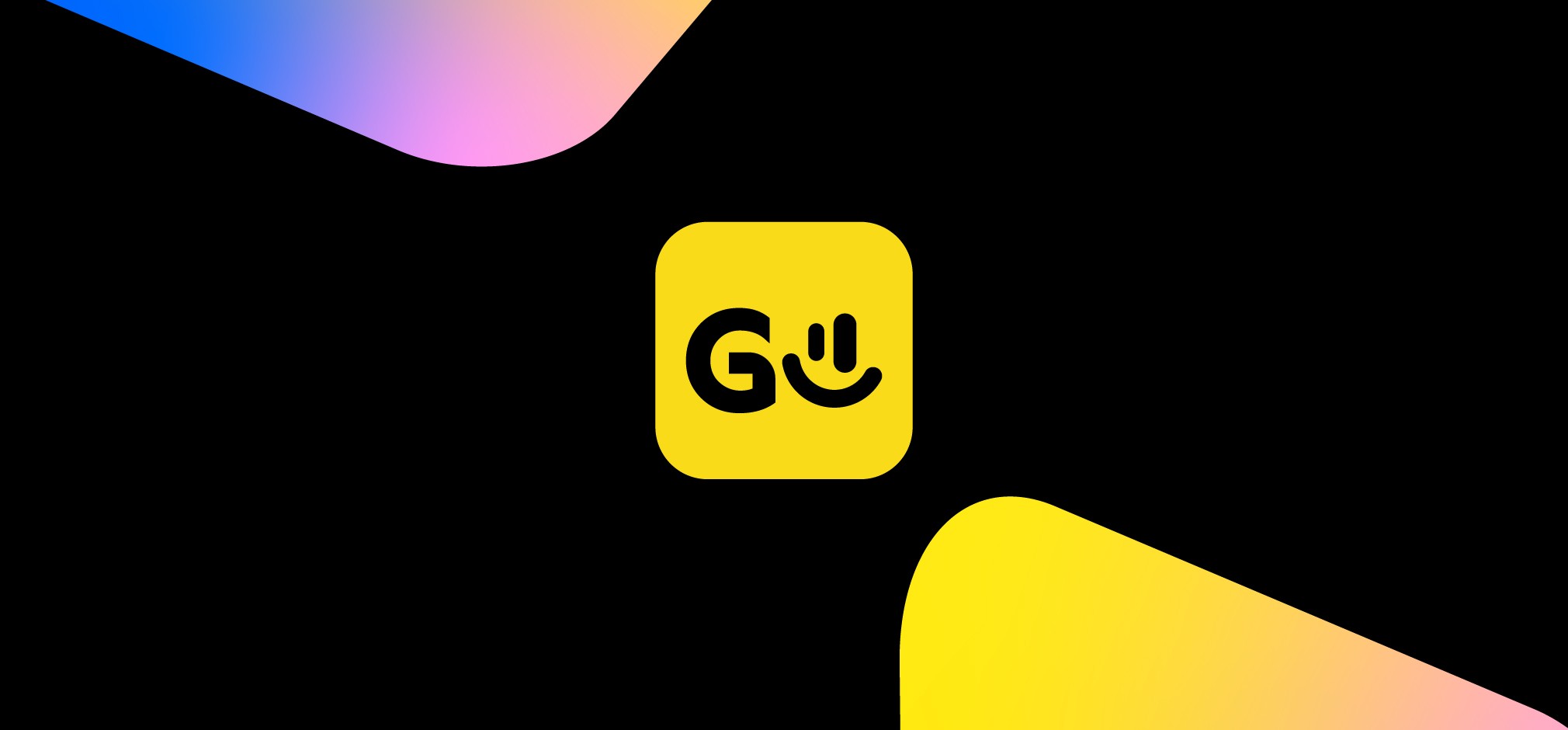
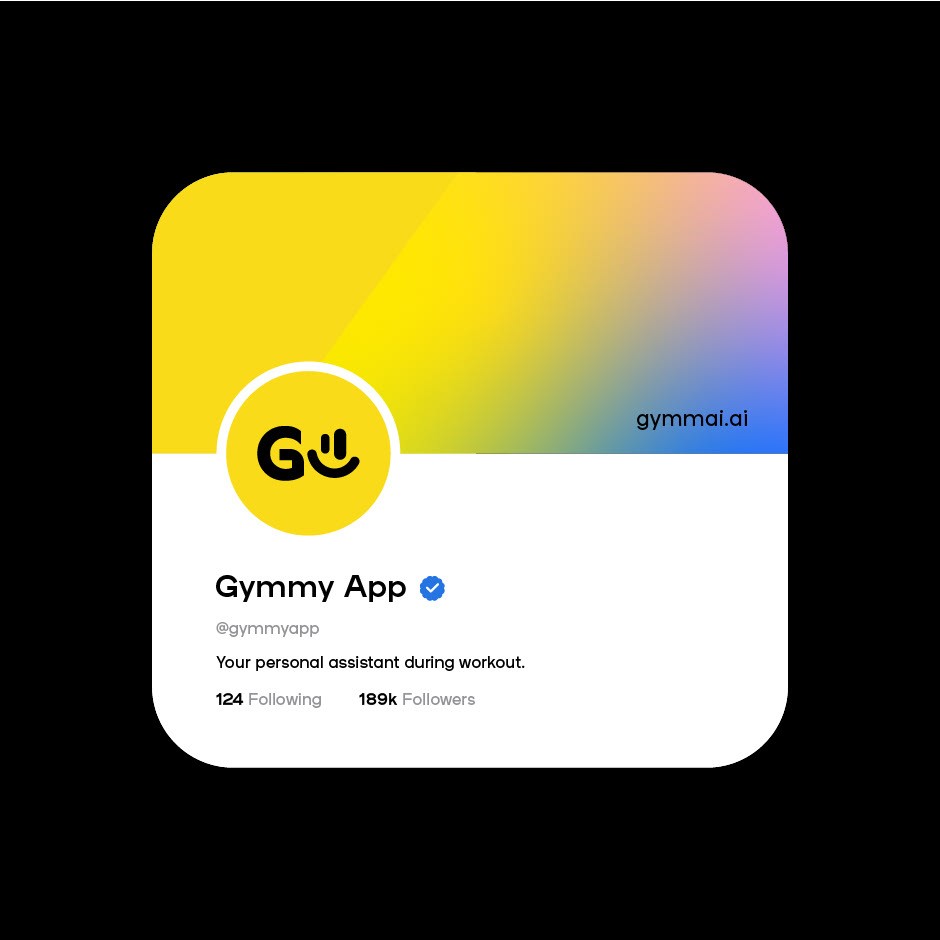
The mark is built around a single letter: the G. It anchors the brand name, it starts "Gymmy," and it becomes the entire stage for everything else happening in the icon.
Look at it long enough and the G stops being a letter and becomes a face.
The two short vertical bars that sit inside the upper portion of the G are the dumbbells. Two rounded, weighted forms sitting right where the eyes of a face would be. Below them, the sweeping curve that closes the bottom of the G becomes the smile, the satisfaction, the happiness that comes after a good session. The whole outer form of the G itself reads as a flexed arm, a bicep curling inward, the physical shape of effort and strength.
So in one mark you have five things happening simultaneously: the letter G for Gymmy, a pair of dumbbells, an arm and bicep, a smiling face, and the emotion of satisfaction. You don't need to consciously decode all of that for the mark to work on you. But once you see it, you can't unsee it, and that's exactly what makes it stick.
That's the standard I hold logo concepts to. Not clever for its own sake, but layered in a way that rewards attention and embeds itself in memory. Gymmy's icon does that completely.
Color
This palette was the most fun decision in the whole project, and also the most deliberate.
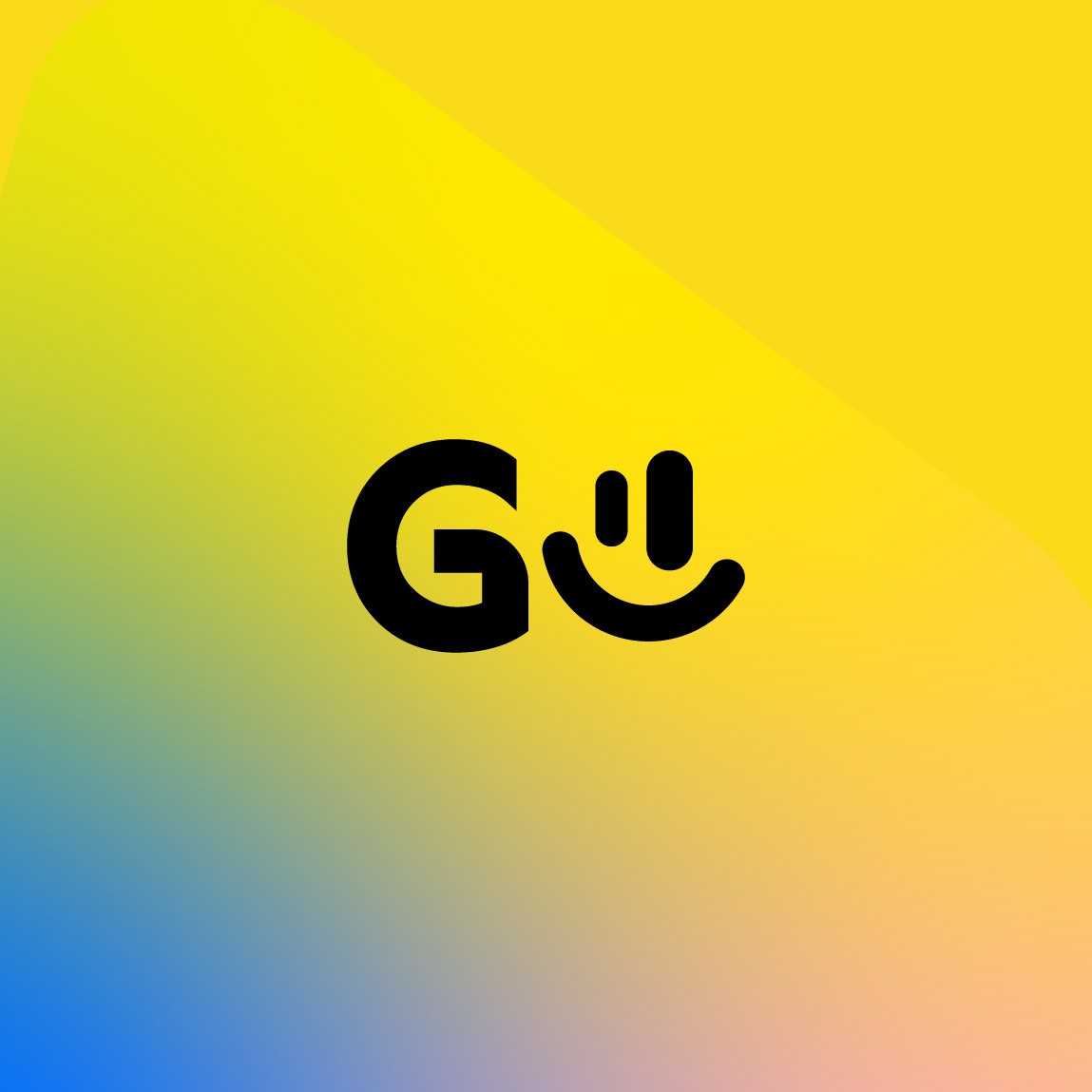
The Gymmy gradient runs from electric yellow through orange into warm pink and on into purple. It is unapologetically vivid. Joyful, even. And that was a very specific call.
Fitness branding almost universally goes dark. Black, charcoal, deep red. The visual shorthand for "serious training." I went the other direction entirely, because Gymmy is not that brand. It's the brand that understands you might not want to beast-mode it today. You might want a recovery session or a 20-minute walk. And that's fine. The palette gives you permission to show up as you are.
The gradient also has a digital nativeness to it that feels right for an AI app living on your phone and your watch. It doesn't pretend to be anything else. It belongs on a screen.
What the Brand Had to Feel Like
Excepteur sint occaecat cupidatat non proident, sunt in culpa qui officia deserunt mollit anim id est laborum. Sed do eiusmod tempor incididunt ut labore et dolore magna aliqua. Ut enim ad minim veniam, quis nostrud exercitation ullamco laboris nisi ut aliquip ex ea commodo consequat. Fusce fermentum odio nec arcu. In hac habitasse platea dictumst.
The System in Action
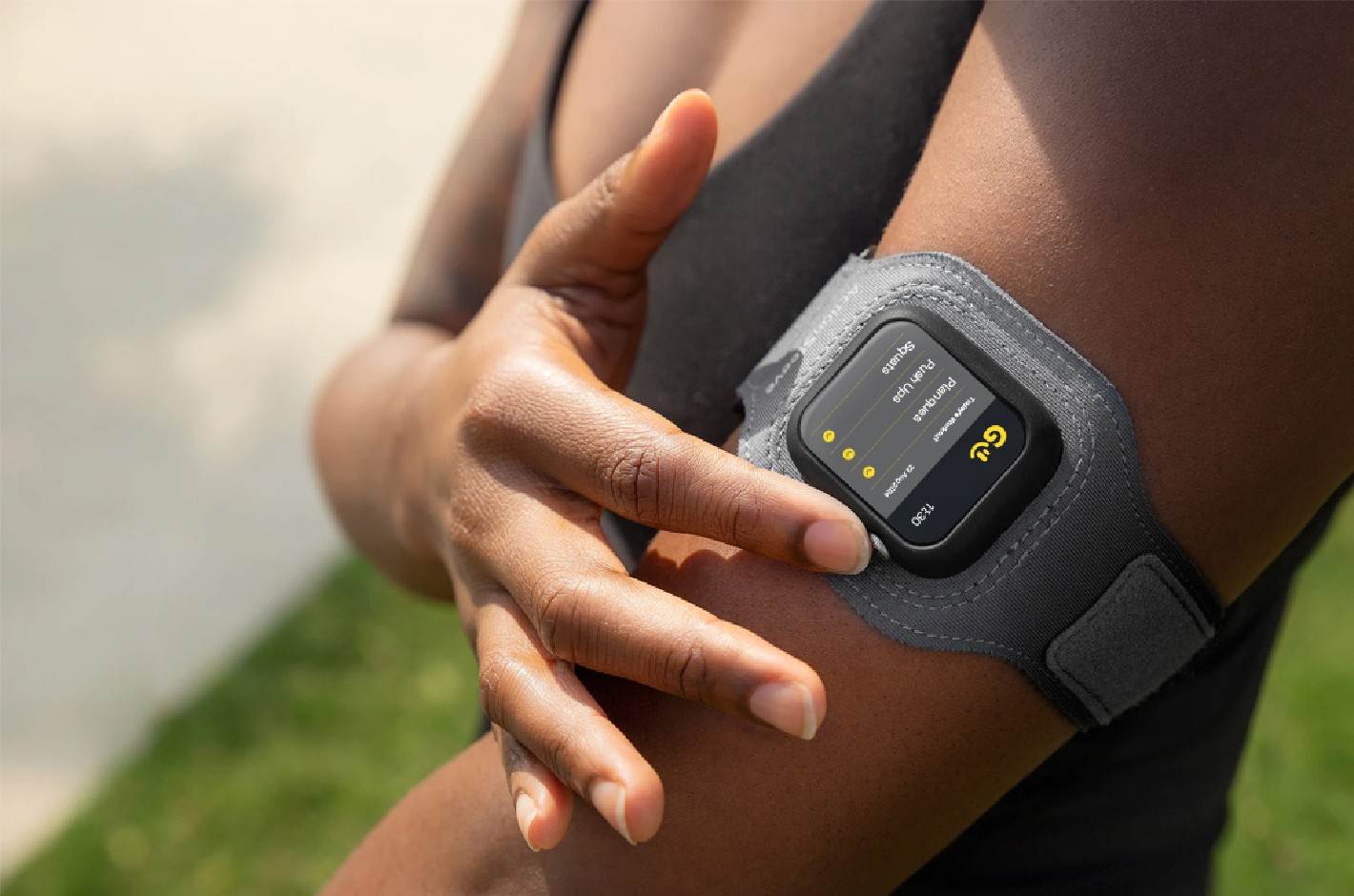
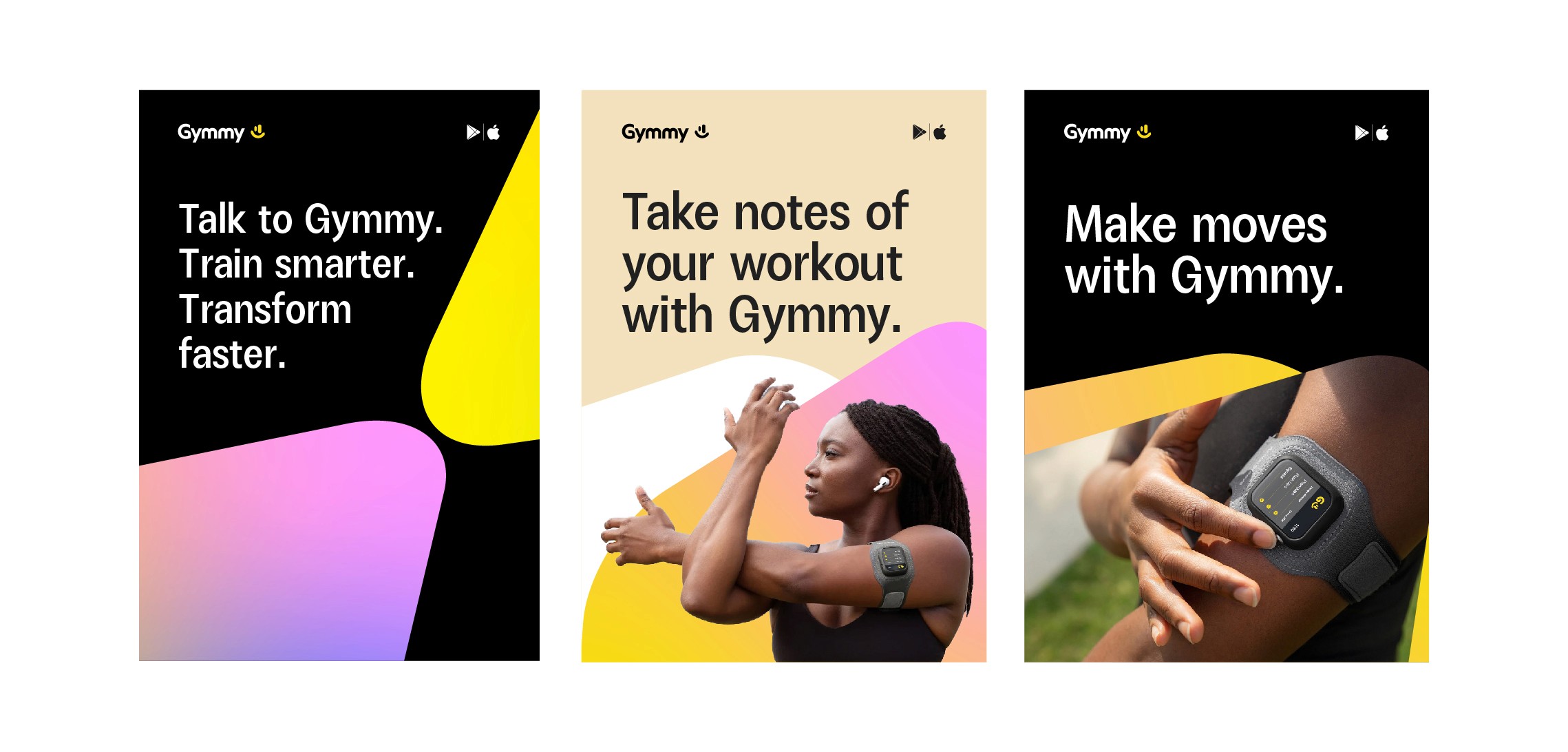
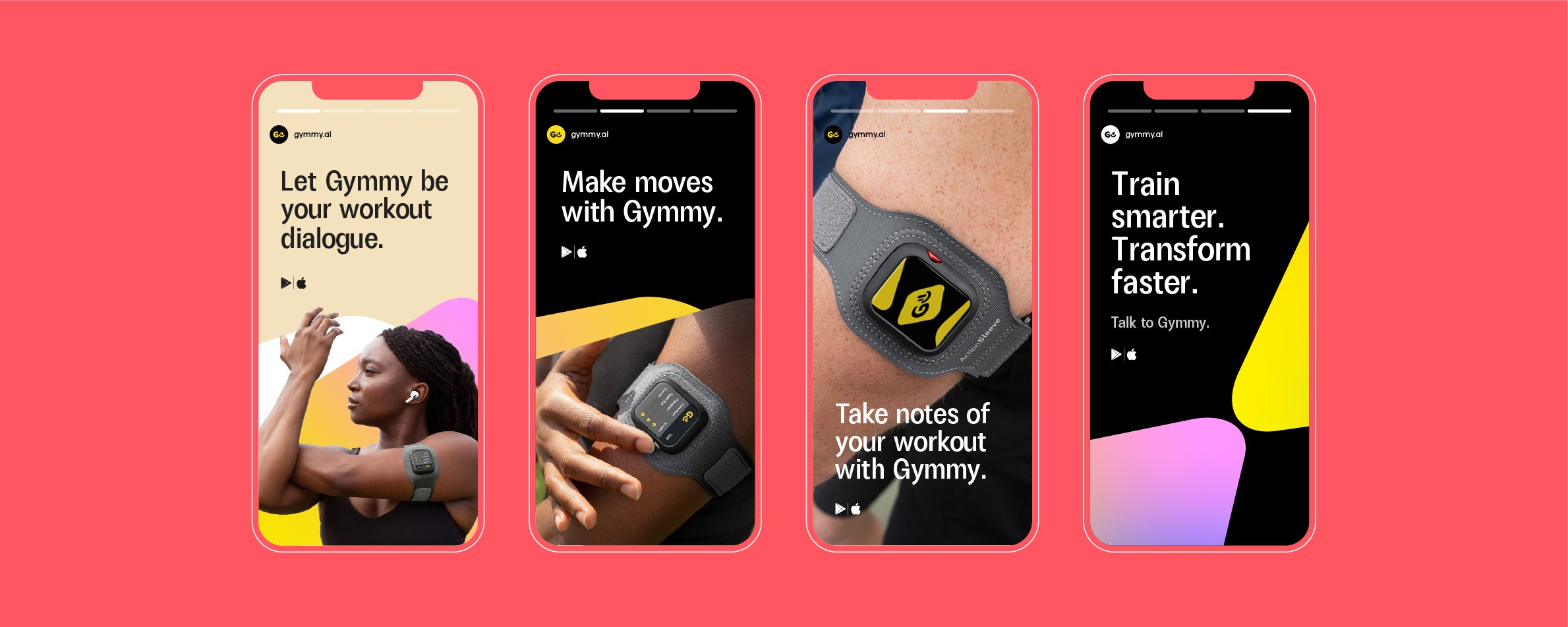
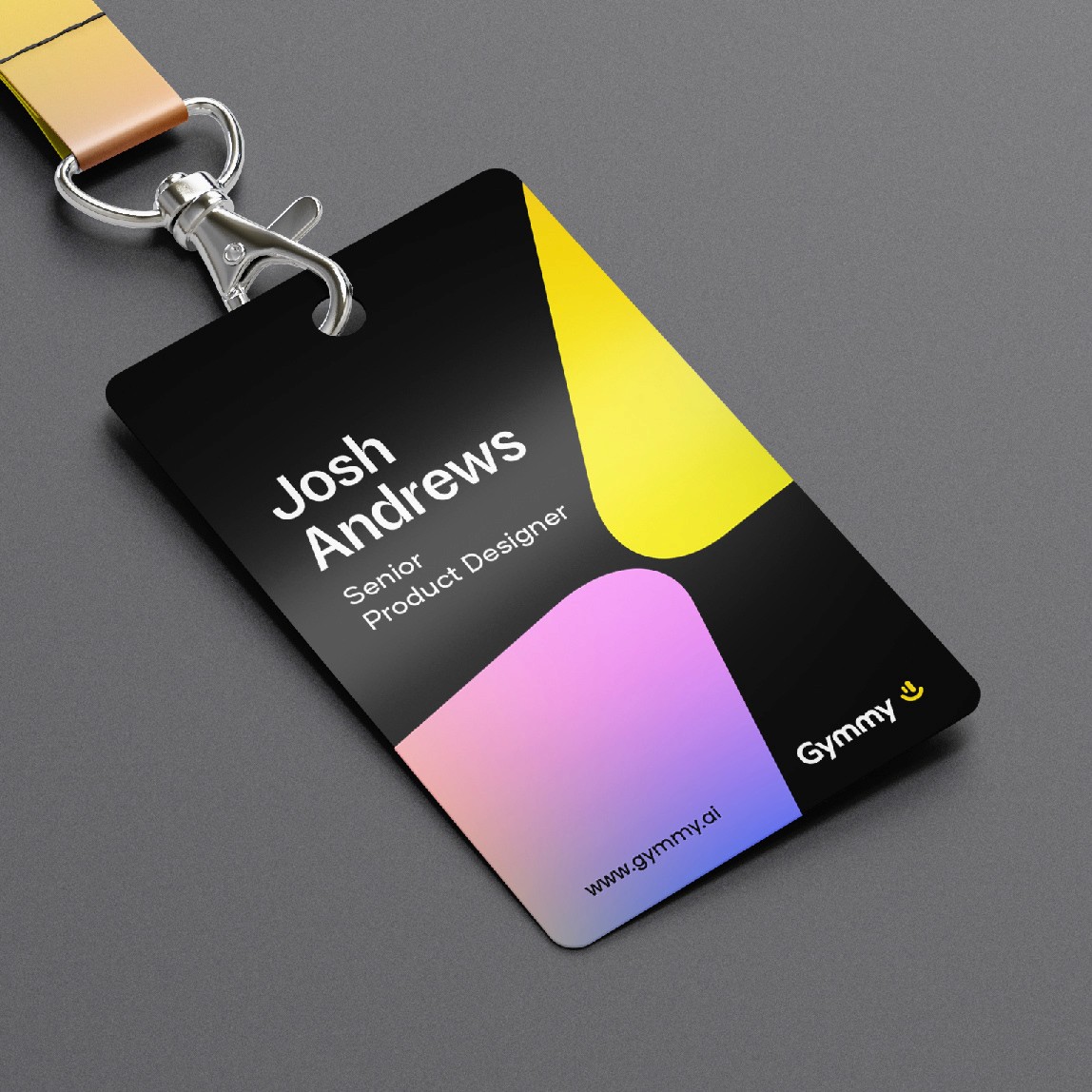
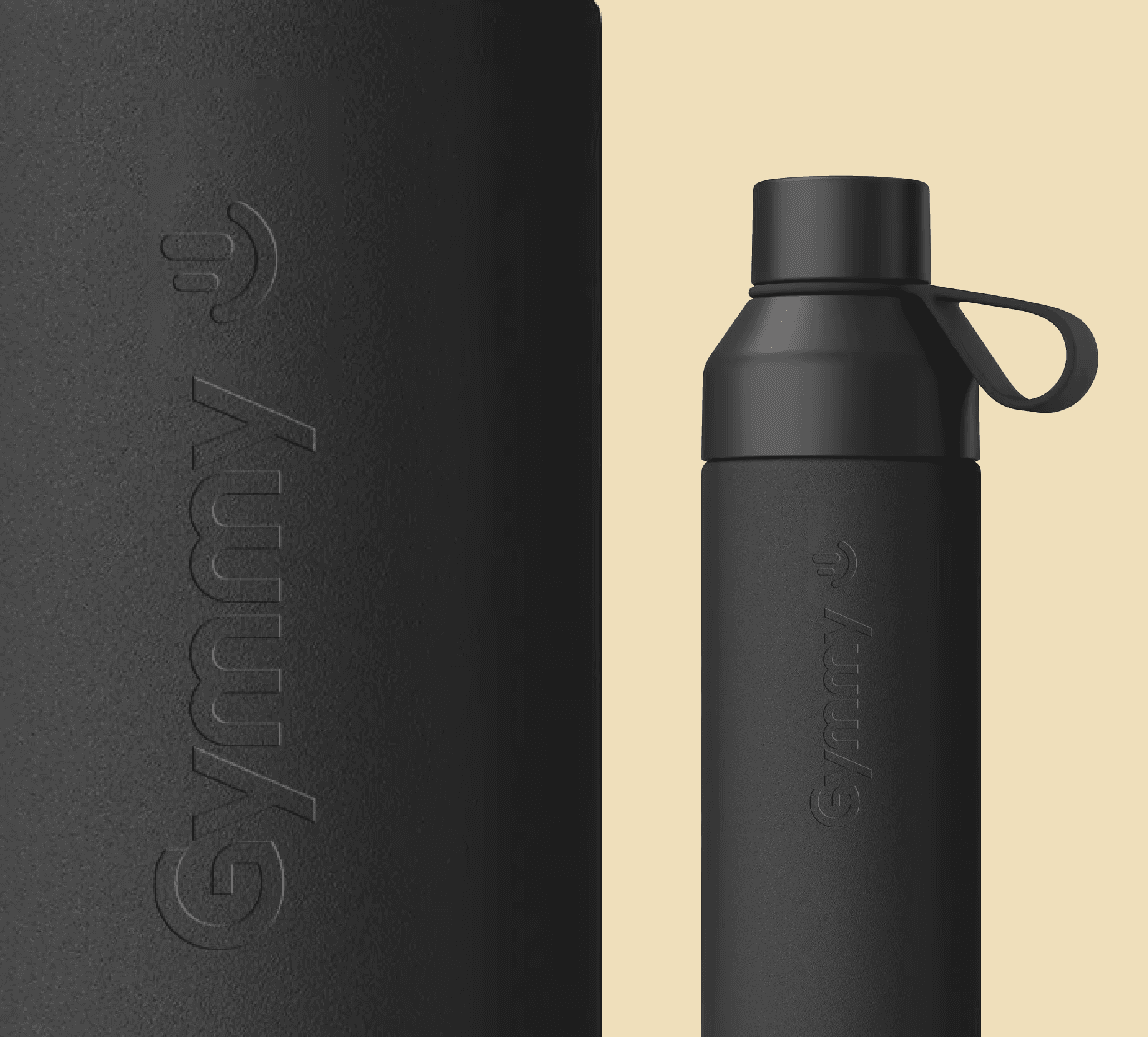
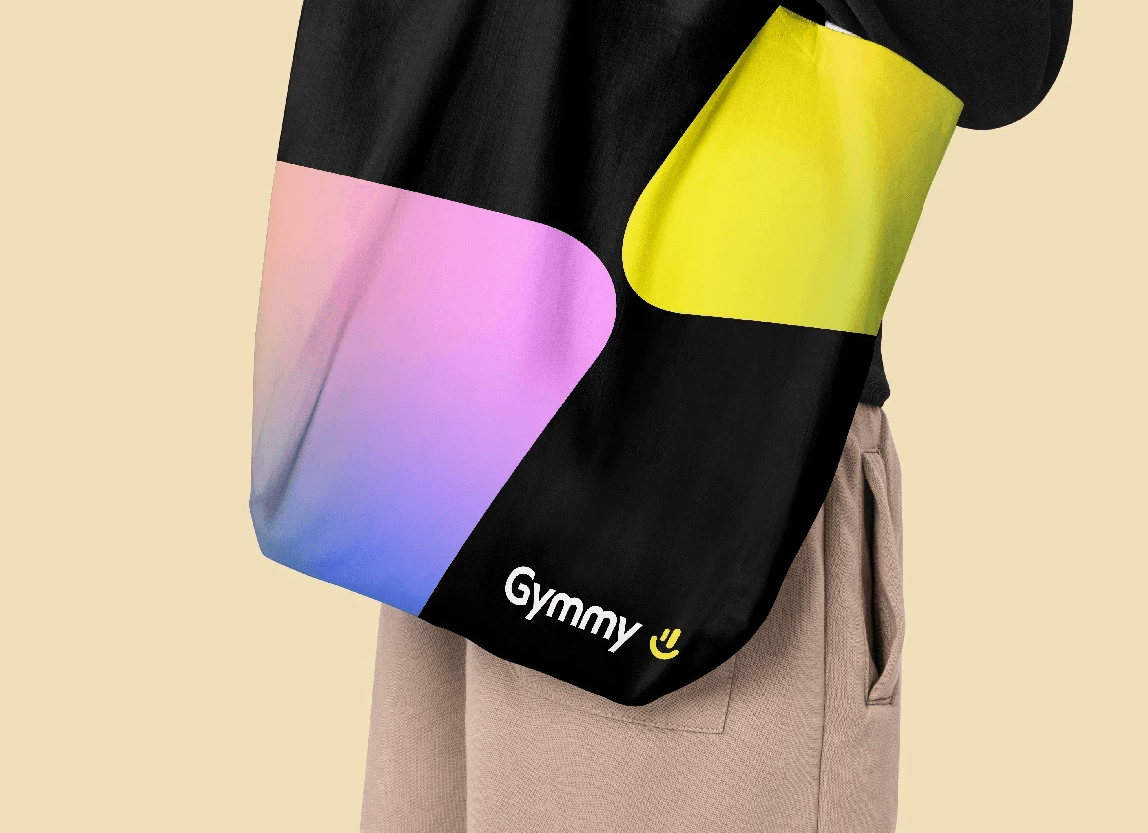
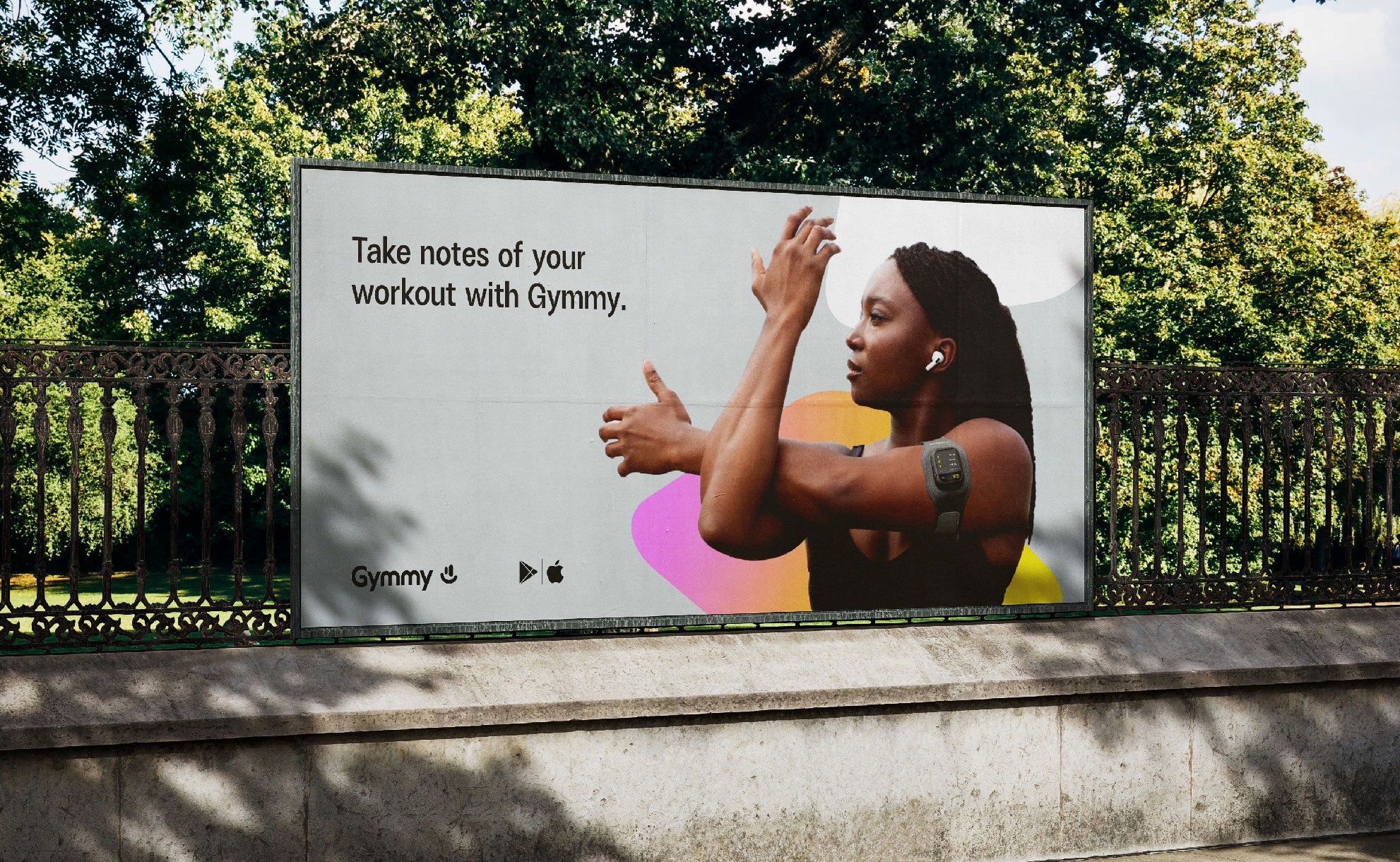
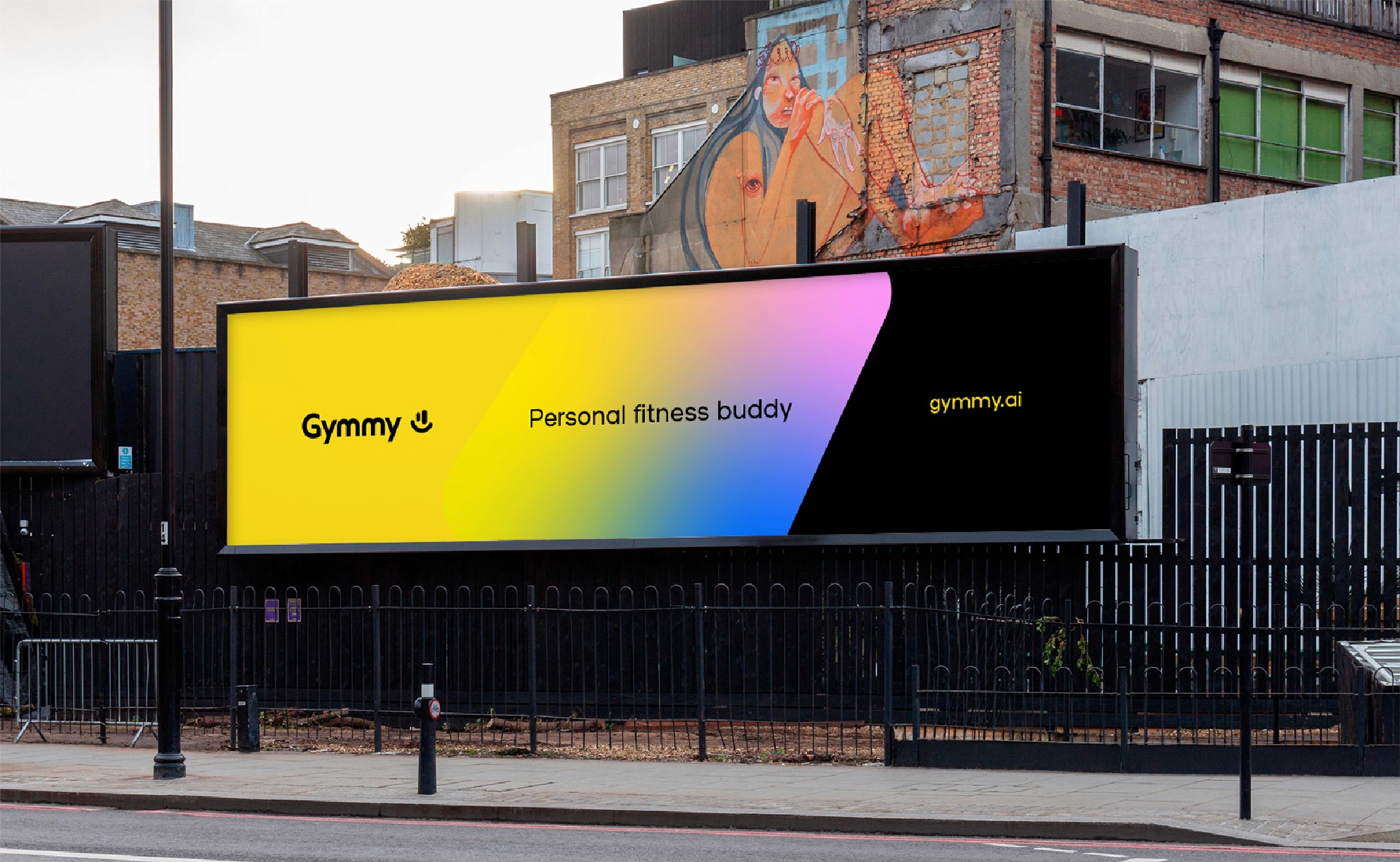
One thing I was deliberate about with Gymmy was showing the brand doing real work across touchpoints: app screens, watch interfaces, social posts, billboard advertising, business cards, lanyards, merchandise.
The test of a great identity is whether it holds up when someone who isn't you applies it. The Gymmy system was built to pass that test. The gradient, the typefaces, the icon, the rounded forms, the conversational copywriting tone, all of it works together as a system with enough flexibility to breathe and enough structure to stay coherent.
Why I Built This
There's a version of the fitness industry that actually cares about how you feel on a Tuesday when you slept badly and your energy is low. Gymmy is for that version.
Building this brand was my way of betting that there's a real market for a fitness companion that feels like a friend rather than a drill sergeant. The product doesn't exist yet. But if it did, it would look like this.