Prekesse
,
Food
How It Started
Honest answer? When I first heard the name Prekesse, I already knew this one was going to be special.
Prekesse is the Twi name for the aidan fruit — a deeply aromatic West African spice that's been at the heart of Ghanaian cooking forever. It's layered, it's complex, it's familiar to anyone who grew up with it, and it's still wildly underappreciated outside of the culture. That is exactly the kind of brand tension I love to work with. Something that's been hiding in plain sight, that just needs the right visual language to finally get the respect it deserves.
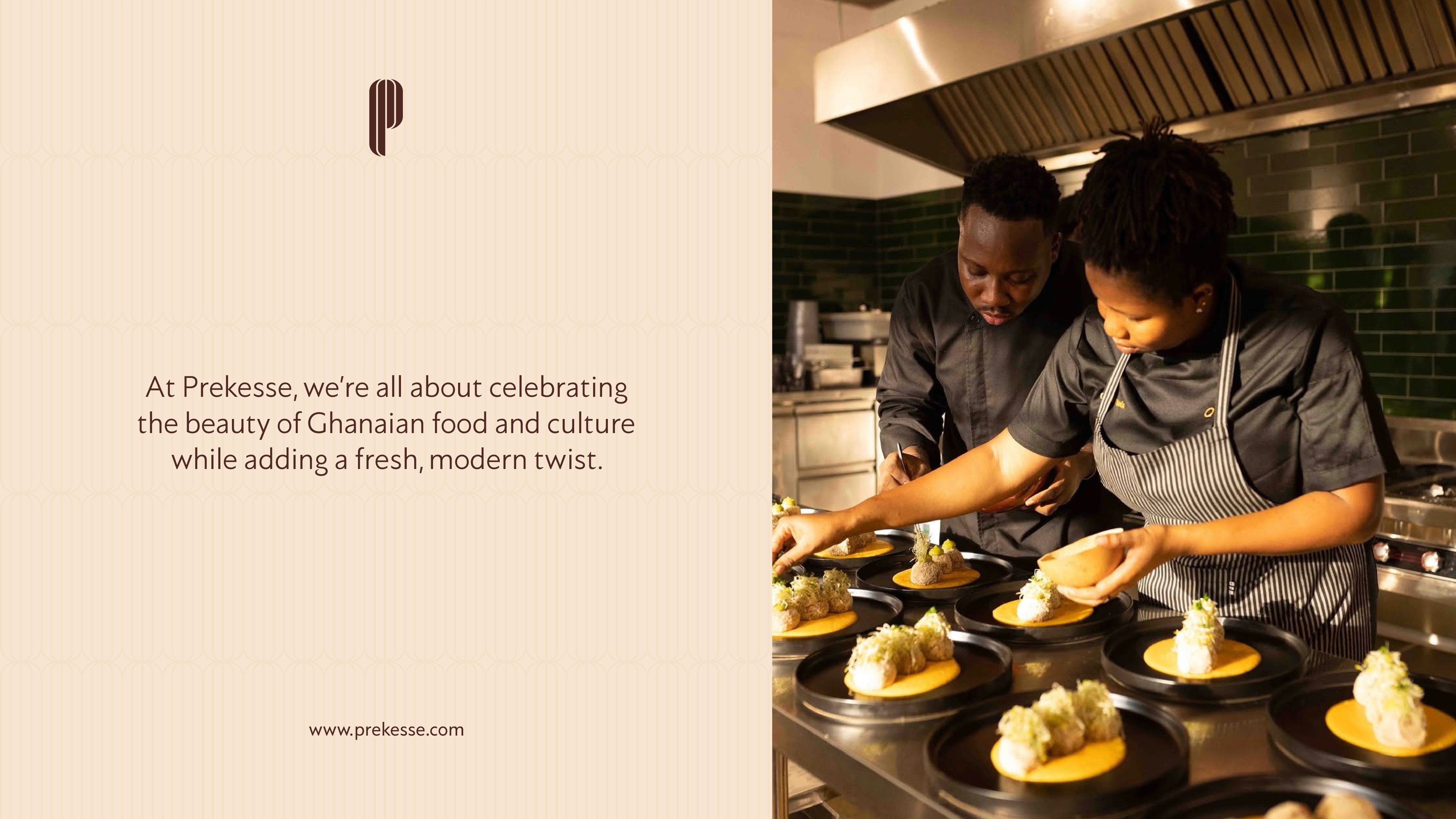
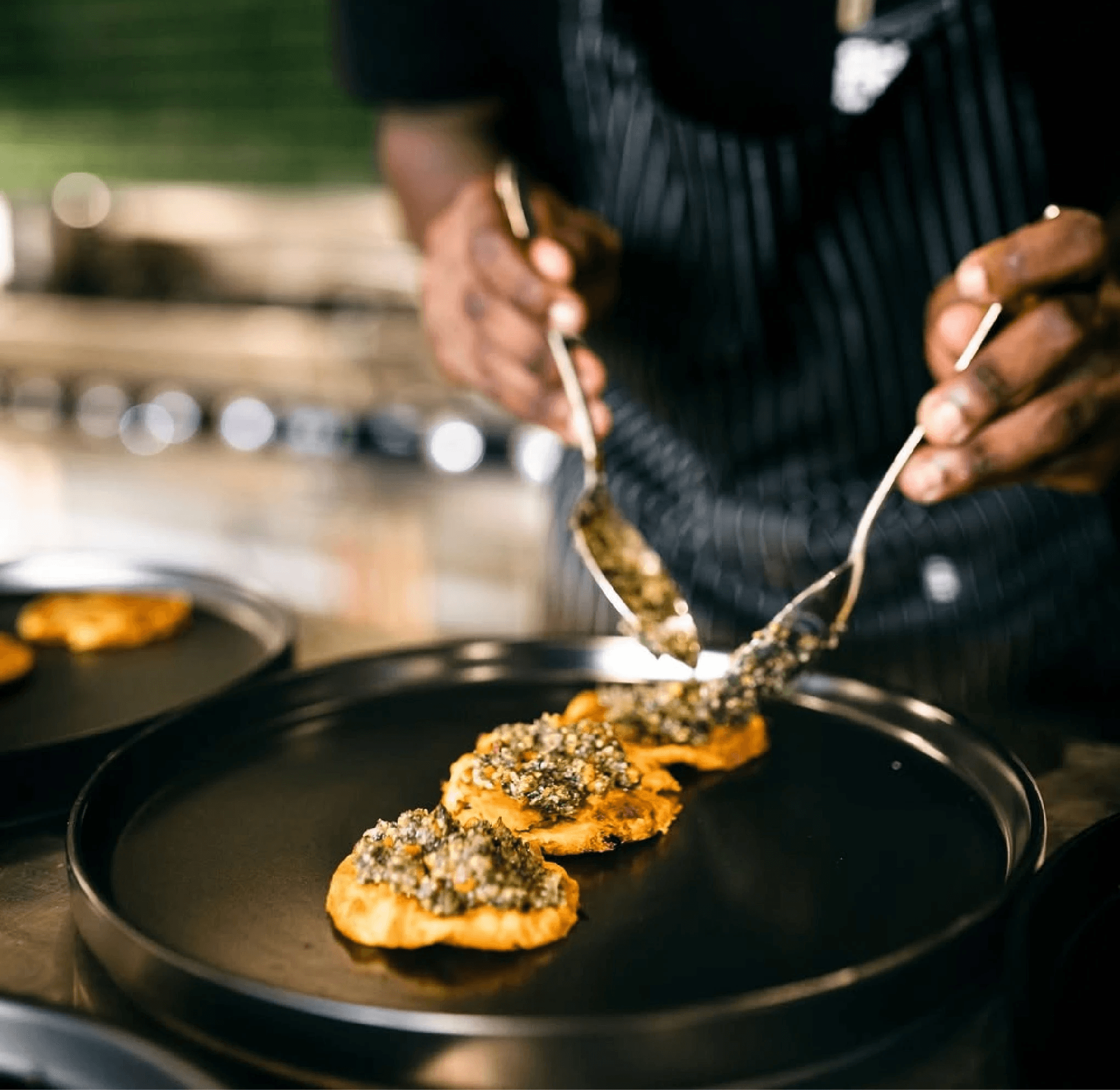
The client came to me with a clear vision: they were building a bespoke, experiential dining concept in Accra. Private dining, nomadic dinners in intimate settings, multi-course tasting menus rooted in Ghanaian culinary heritage. The food was already exceptional. What they needed was an identity that could carry that same weight — that would walk into a room before the first course was served and tell you this is something worth your full attention.
Services
Visual design
Year
2024
The Logo
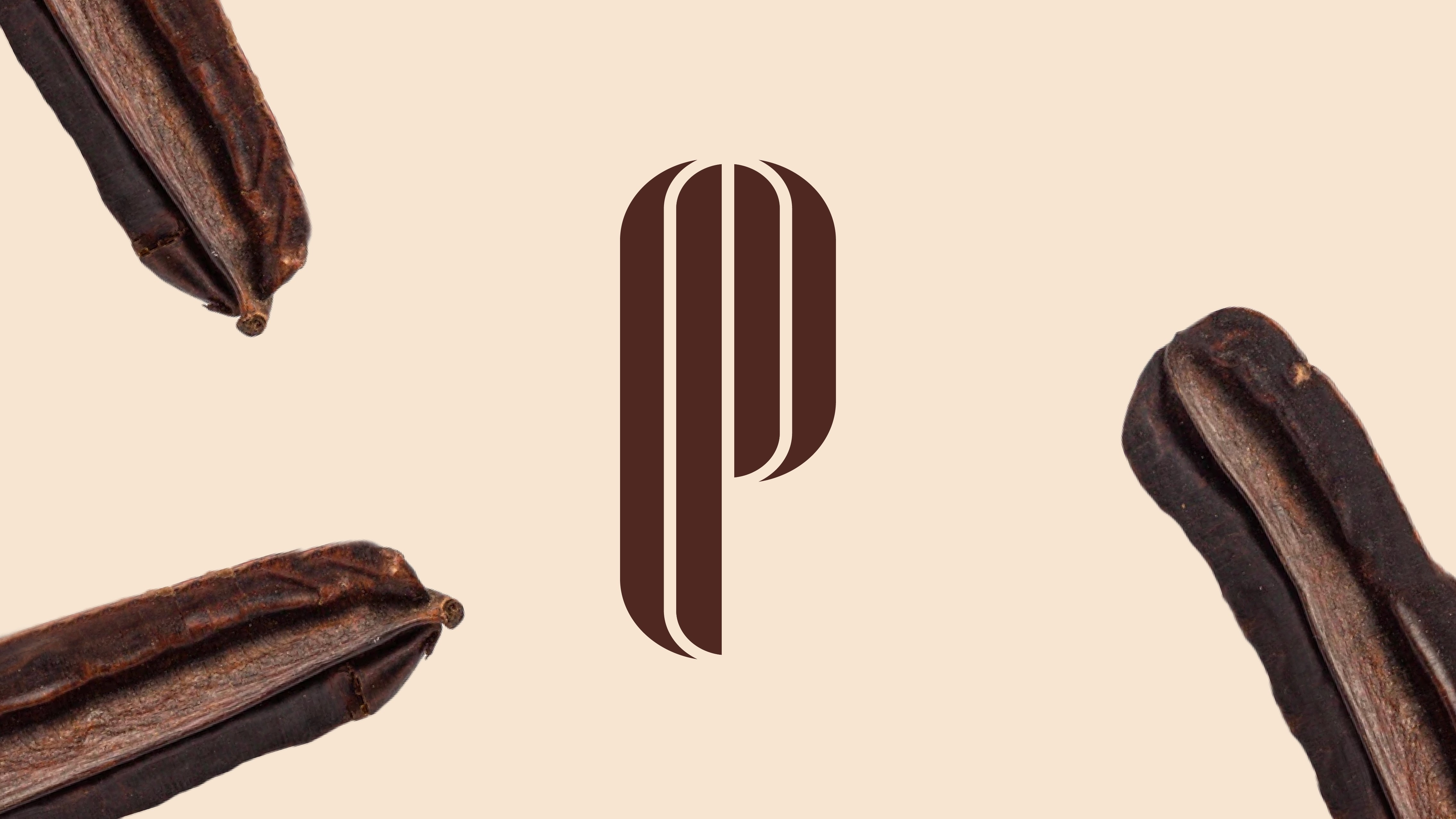
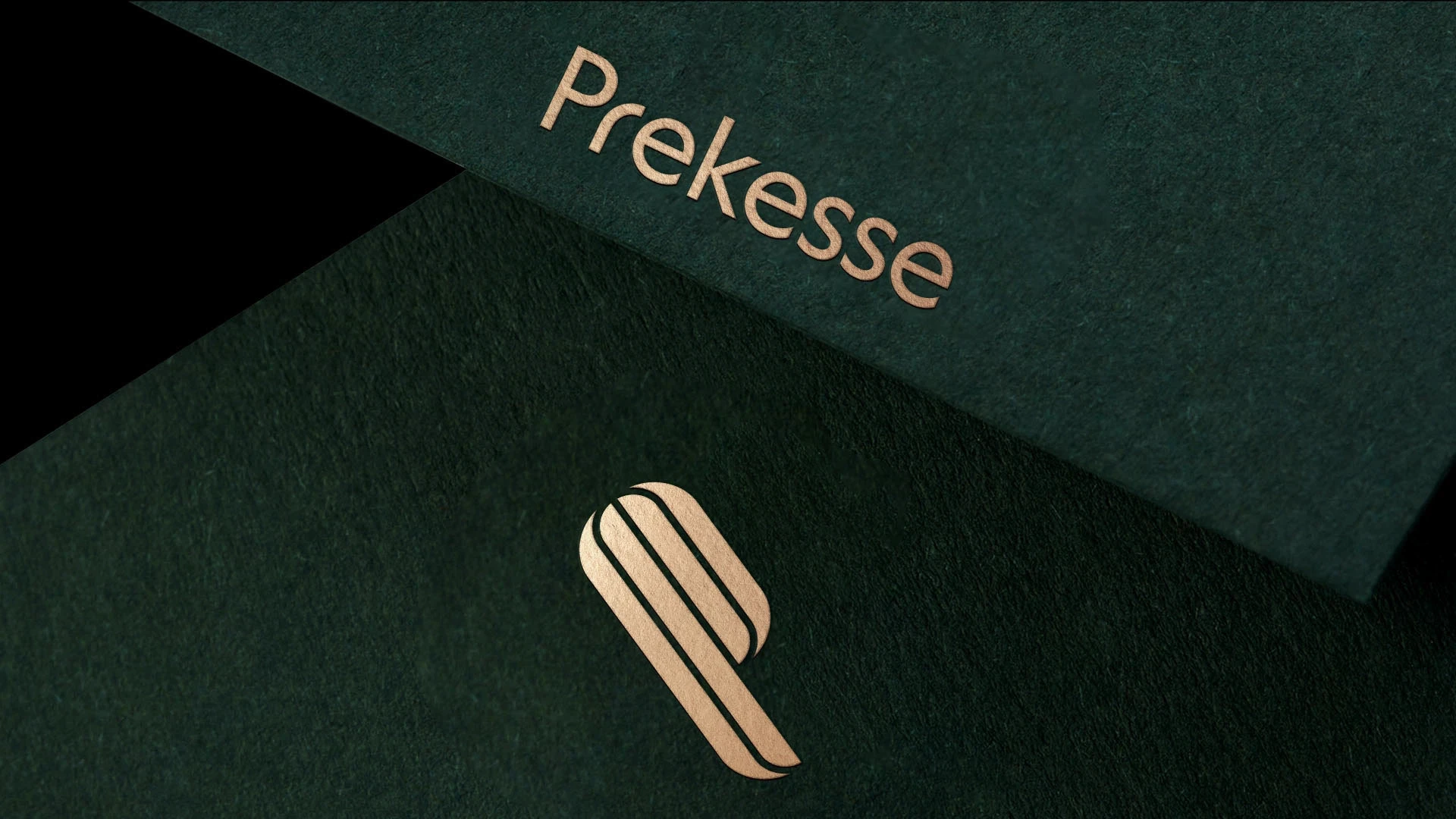
The logomark was the first thing I locked in, because I knew everything else would flow from it.
I wanted the mark to feel like it had weight — not decorative, not trendy, but the kind of symbol that you'd see on a menu card and feel the quality of before you even read the name. The approach was rooted in restraint. Clean geometry informed by the elegance of the brand's namesake — the prekesse fruit's natural form — without being a literal illustration of it. It's a reference, not a depiction. That distinction matters to me. Brands that illustrate their name too literally end up looking like packaging. Brands that draw meaning from their name without spelling it out — that's where identity starts to feel like art.
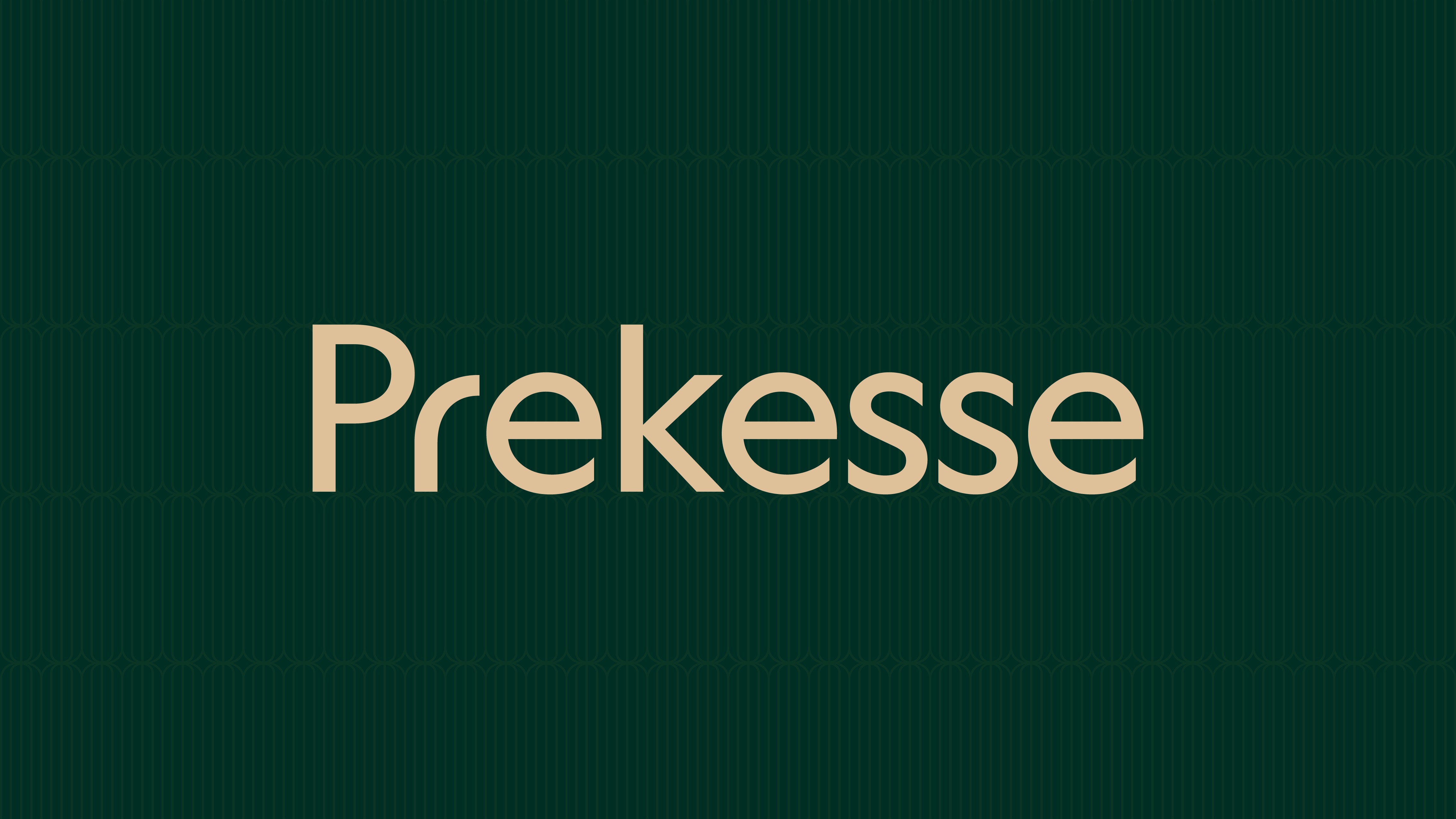
The wordmark sits in a bespoke serif treatment. I chose a high-contrast serif because it does two things at once: it signals luxury and precision, and it connects to the deep typographic history of print culture in West Africa. There's a quiet confidence to well-set serif type that I felt was right for a brand that doesn't need to shout.


Color
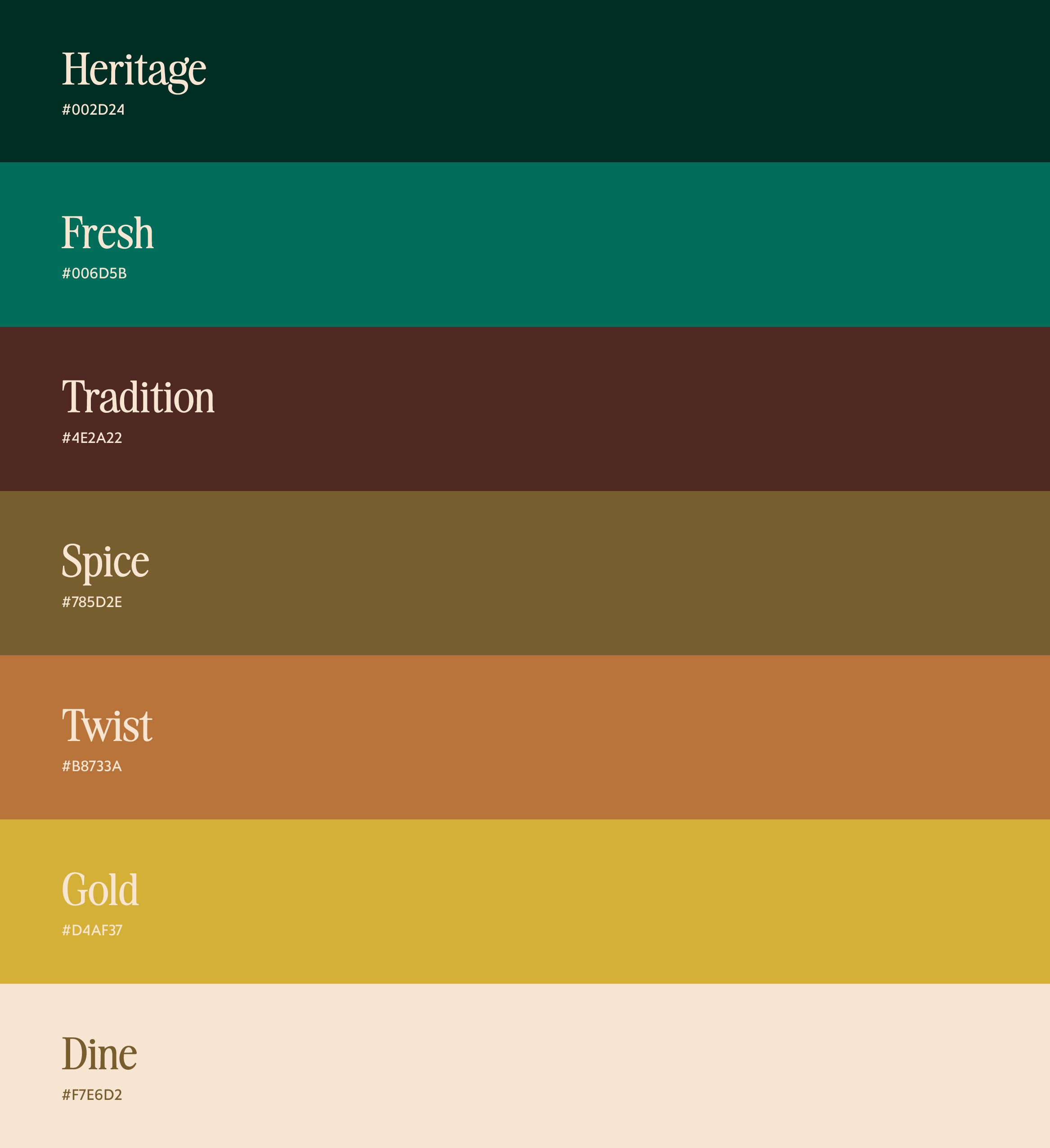
The palette was one of the decisions I'm most proud of on this project.
I kept it tight — a deep, warm near-black as the primary, offset by a muted gold that doesn't perform opulence but implies it. No bright yellows or loud earth tones that you'd expect from a "African restaurant brand." That would have been the easy call. Instead the palette reads closer to a fine dining experience in any world capital — it just feels Ghanaian in how it's applied.
The warmth in the gold was important. It had to read as candlelight, not coin. Soft enough to be intimate, rich enough to be memorable. When you see it on a menu, a business card, or a brand stamp on packaging — it should feel like the brand is dressed for the occasion.
Typography
Two typefaces. That's it. I don't believe in complicated type systems — they almost always end up being used inconsistently in the real world.
The primary typeface is the serif I mentioned — used for the wordmark and all headline applications. It carries the brand's formality. The secondary is a clean, humanist sans-serif that brings approachability into the mix. Because for all its elegance, Prekesse is genuinely about community and bringing people to the table. The type system needed to hold both truths.
The Real Challenge
Here's the thing about designing for African luxury — there's a trap a lot of designers fall into. You either lean so hard into "Afrocentric" visual codes that it starts to feel like a costume, or you chase European luxury conventions and end up with something that feels like it has nothing to do with the culture at all.
Neither was an option for Prekesse.
This brand had to feel grounded. Proud. The kind of identity that a Ghanaian guest would look at and think yes, this is ours — while still feeling at home in the same editorial space as the world's best dining brands. That's a fine line to walk, and walking it carefully was the whole job.
The System
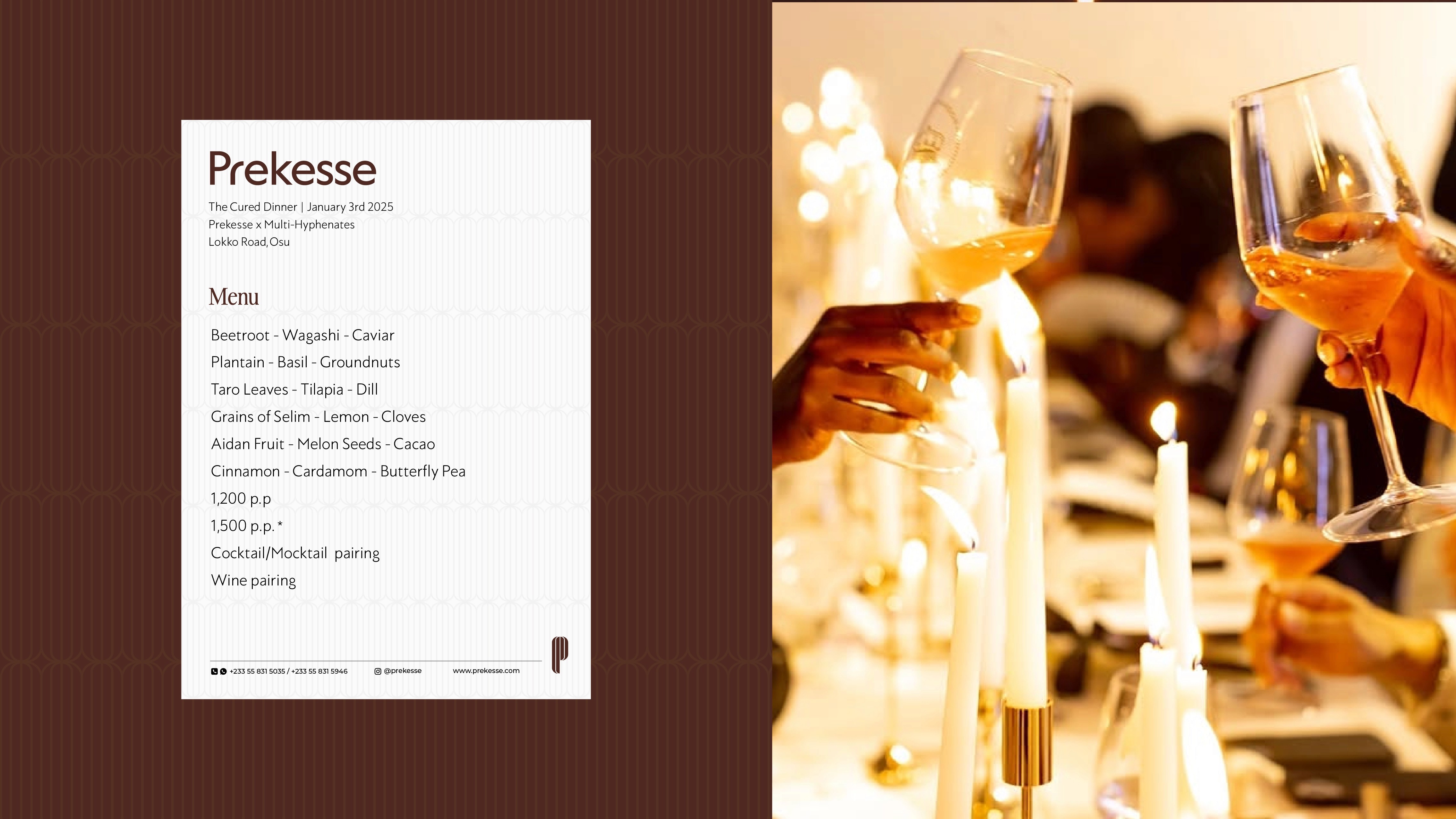
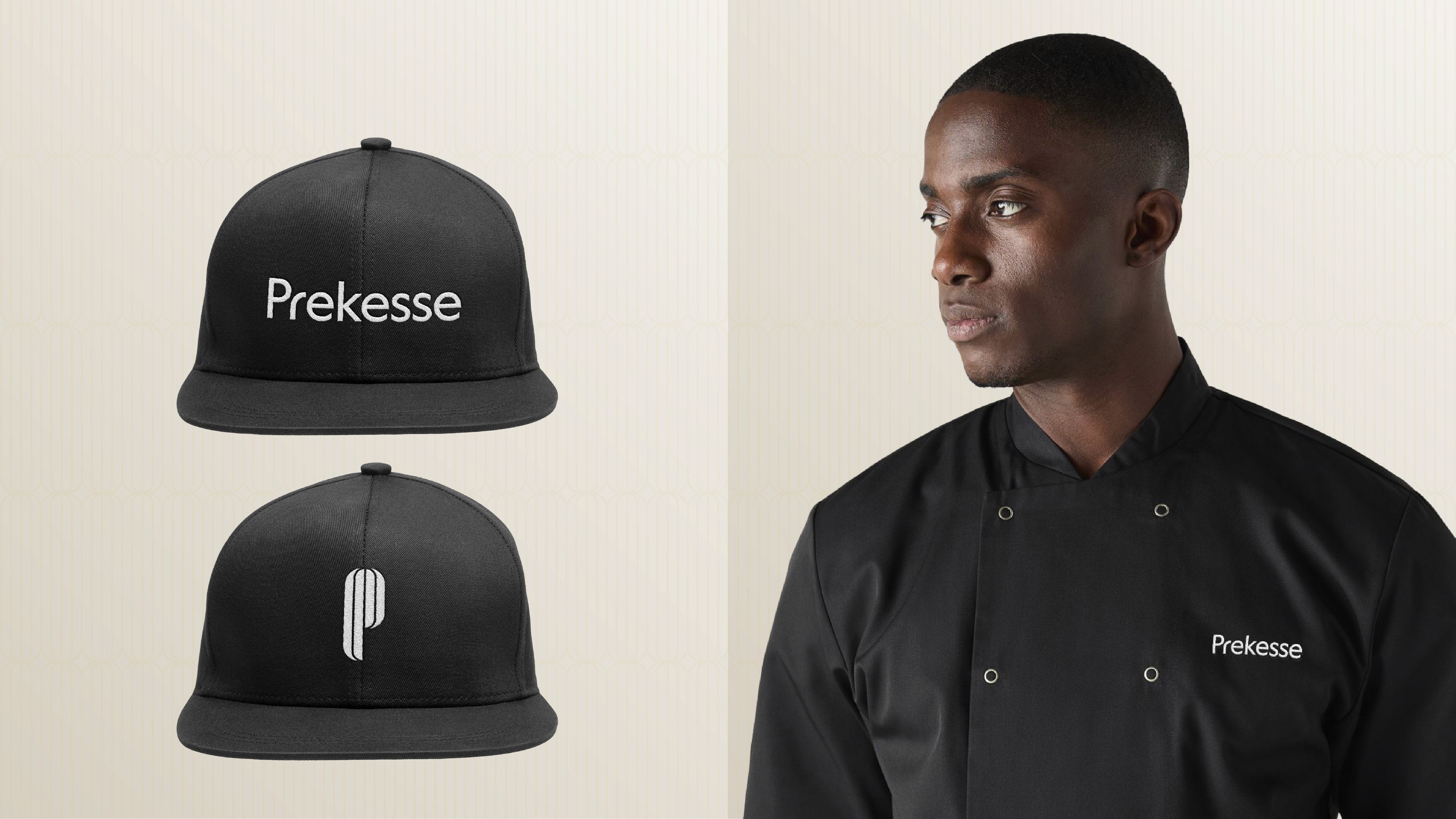
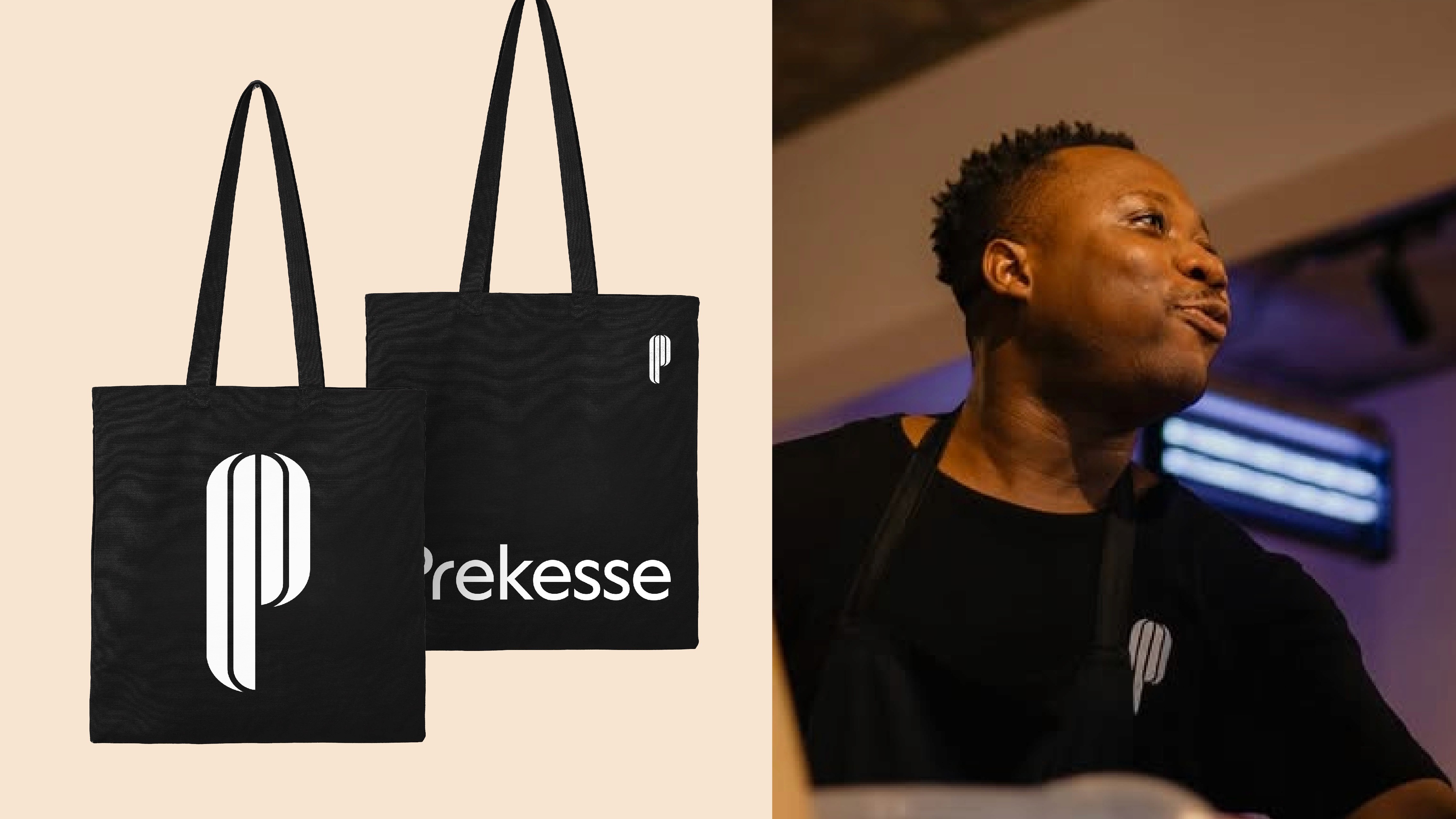
A visual identity is only as good as how it scales. With Prekesse, every touchpoint was considered from day one — menus, business cards, event collateral, packaging stamps, social presence. The mark needed to work engraved, embossed, reversed out of dark backgrounds, stamped in gold foil. We tested all of it.
What we handed over wasn't just a logo file. It was a complete visual language — usage guidelines, color codes, typographic hierarchy, the rules of the system so that whoever picks it up next can build on it confidently without breaking it.